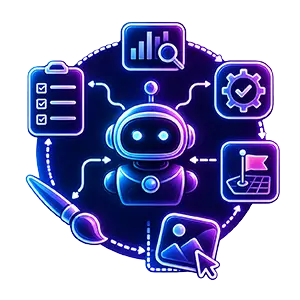

CollabAI is an enterprise AI platform that deploys 100+ pre-configured AI agents inside the tools companies already use — HubSpot, Zoom, Google Drive, Slack, and more — with no rip-and-replace. The core product, Control Tower, gives businesses a single pane of glass to see, decide, and act across their entire operation.





Guardrails is an innovative tool designed to enhance AI application development by providing a robust validation framework. It ensures AI-generated content is safe, accurate, and compliant, streamlining management for developers and AI project managers with a library of pre-built validators and flexible model support.

Halcyon is an AI-powered platform designed for enterprise-level intelligence and automation, focusing mainly on helping organizations analyze complex data and improve decision-making processes. It is built to support industries by turning large datasets into actionable insights using AI, analytics, and workflow optimization tools.


Geminus AI is an advanced industrial AI platform focused on creating intelligent digital twins for large-scale engineering and infrastructure systems. It combines physics-based modeling, machine learning, and real-time operational data to help organizations improve efficiency, automate decision-making, predict failures, and optimize complex industrial environments across sectors like energy, manufacturing, utilities, and aerospace.

Exa Websets is an AI-powered web intelligence system that helps users find, verify, and organize structured information from the internet at scale. Instead of just returning search results, it builds “websets” — curated datasets of entities like companies, people, or topics, enriched with detailed attributes.
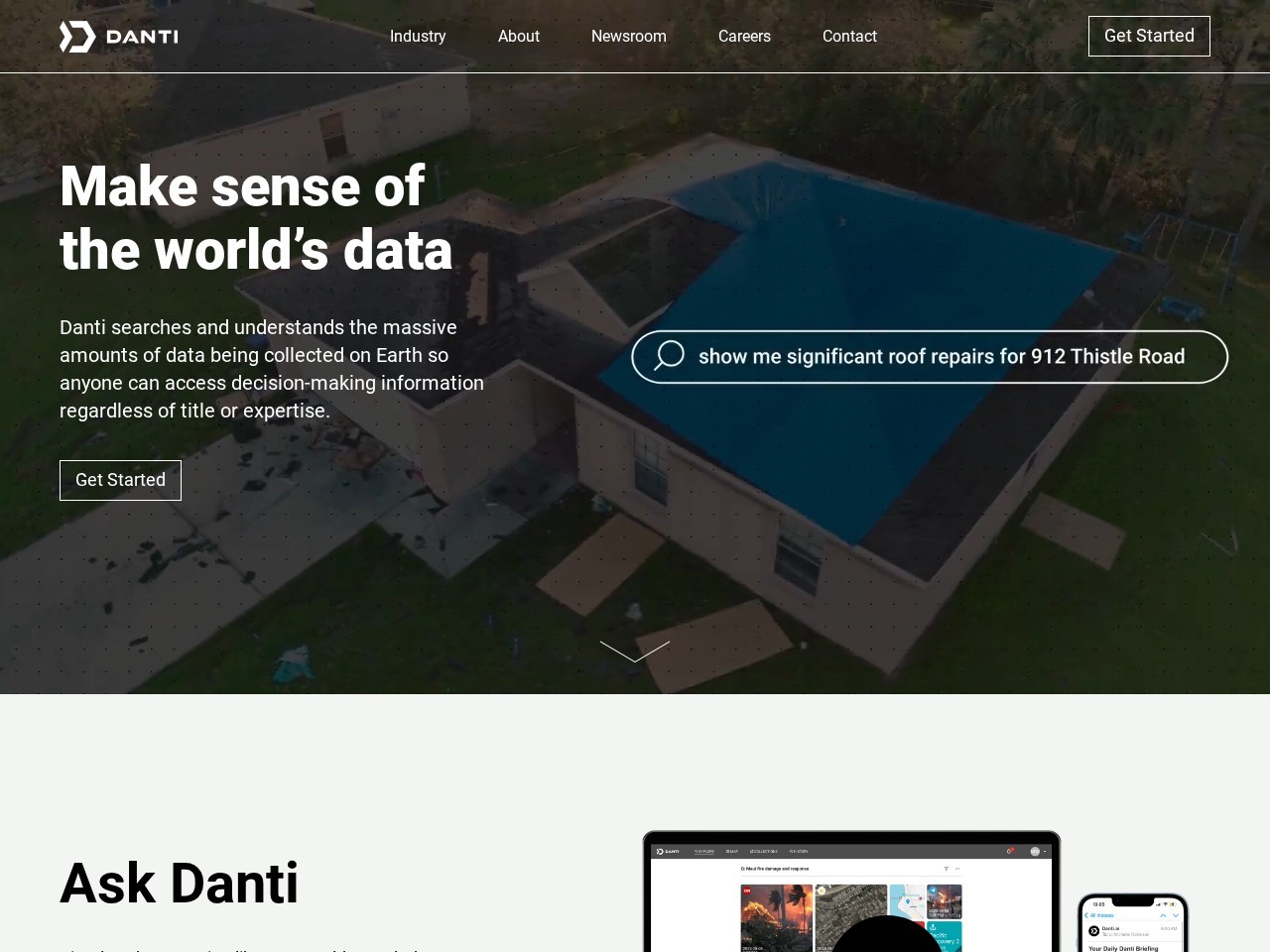
Danti is an AI-powered geospatial intelligence and data search platform that helps users understand real-world events and locations by combining information from multiple sources. It analyzes satellite imagery, news, social media, shipping data, and more to generate clear, contextual answers in natural language.

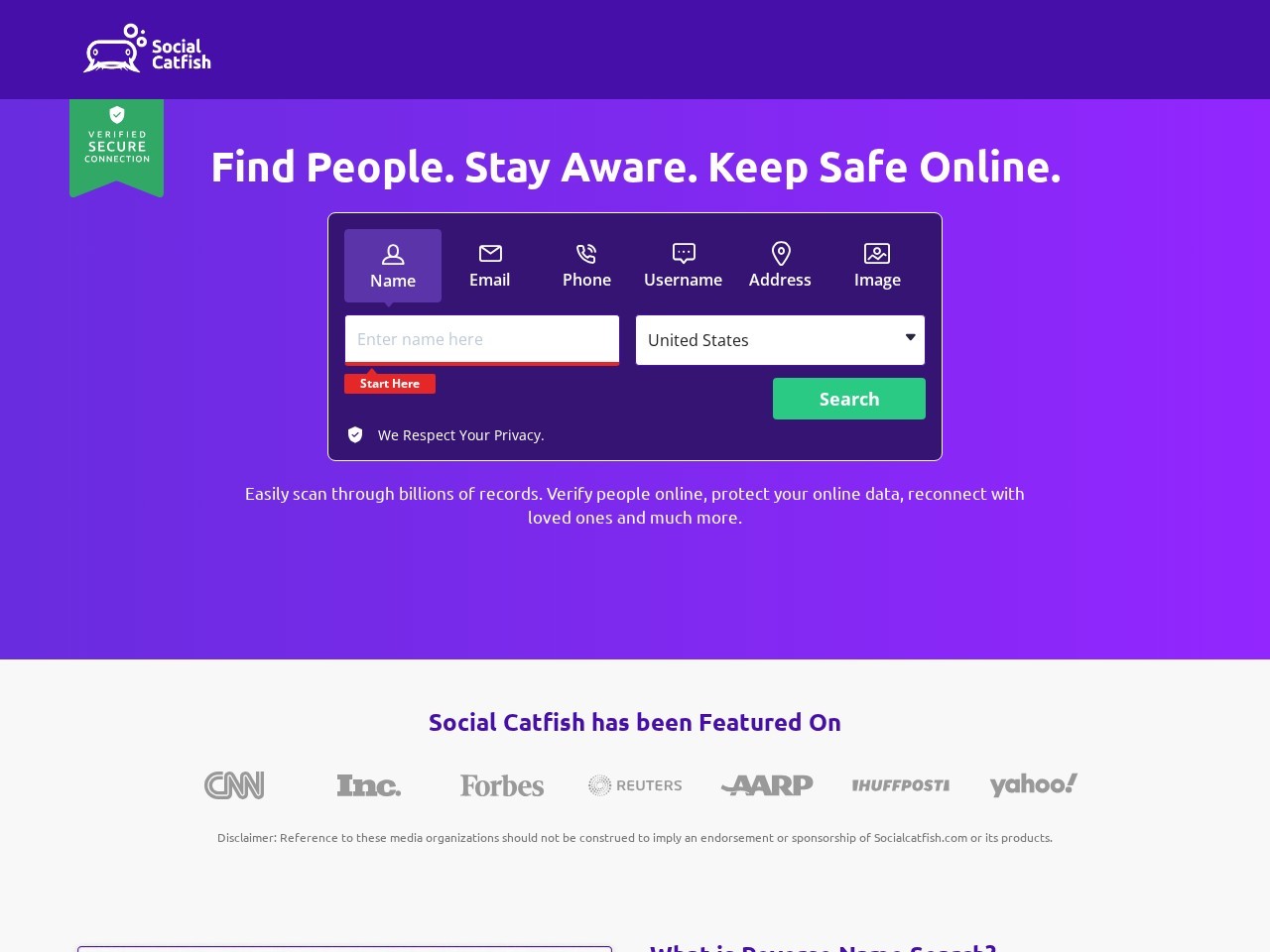
Social Catfish is an AI-powered identity verification and online investigation tool designed to help users detect fake profiles, scams, and catfishing attempts. It works by analyzing photos, emails, phone numbers, usernames, and other public data to find linked identities across the internet.



Simbian is an innovative AI-driven platform designed to revolutionize cybersecurity by offering a fully autonomous, adaptive security solution. It covers all security tasks from identification to recovery, simplifying complex processes into manageable steps for diverse users, ensuring high security standards.


Prime Intellect is an AI infrastructure and research platform that helps developers train, evaluate, and deploy advanced machine learning models at scale. It provides a full stack for building “self-improving AI agents” using reinforcement learning, distributed computing, and large GPU clusters.



Itemery is an AI-powered asset management platform that helps businesses track, organize, and manage company equipment and inventory from a single system. The platform simplifies asset monitoring with QR codes, mobile access, automation tools, and real-time tracking, making it easier for teams to manage devices, office equipment, and operational resources efficiently.



Vicarius is a state-of-the-art cybersecurity platform that streamlines vulnerability management by integrating discovery, prioritization, and remediation into one solution. It enhances the cybersecurity posture of organizations, specifically tailored for IT professionals and security teams to effectively protect digital assets.
AI Agents tools are autonomous AI systems that can plan, complete tasks, coordinate workflows, and take actions across apps with user guidance. They are usually used for building automated workflows, task execution, research, operations, and multi-step work.
Typical users include individuals, business teams, agencies, operators, and technical or non-technical teams that need help with building automated workflows, task execution, research, operations, and multi-step work.
Compare the main workflow, ease of setup, output quality, integrations, pricing, permissions, collaboration features, reporting, and whether the platform can scale beyond a one-time test.
Yes. Businesses often use AI Agents tools to save time, improve consistency, reduce manual work, and make building automated workflows, task execution, research, operations, and multi-step work easier to manage across teams.
Yes. AI can assist with repetitive work and recommendations, but users should review important outputs, check accuracy, and apply internal policies before relying on results.