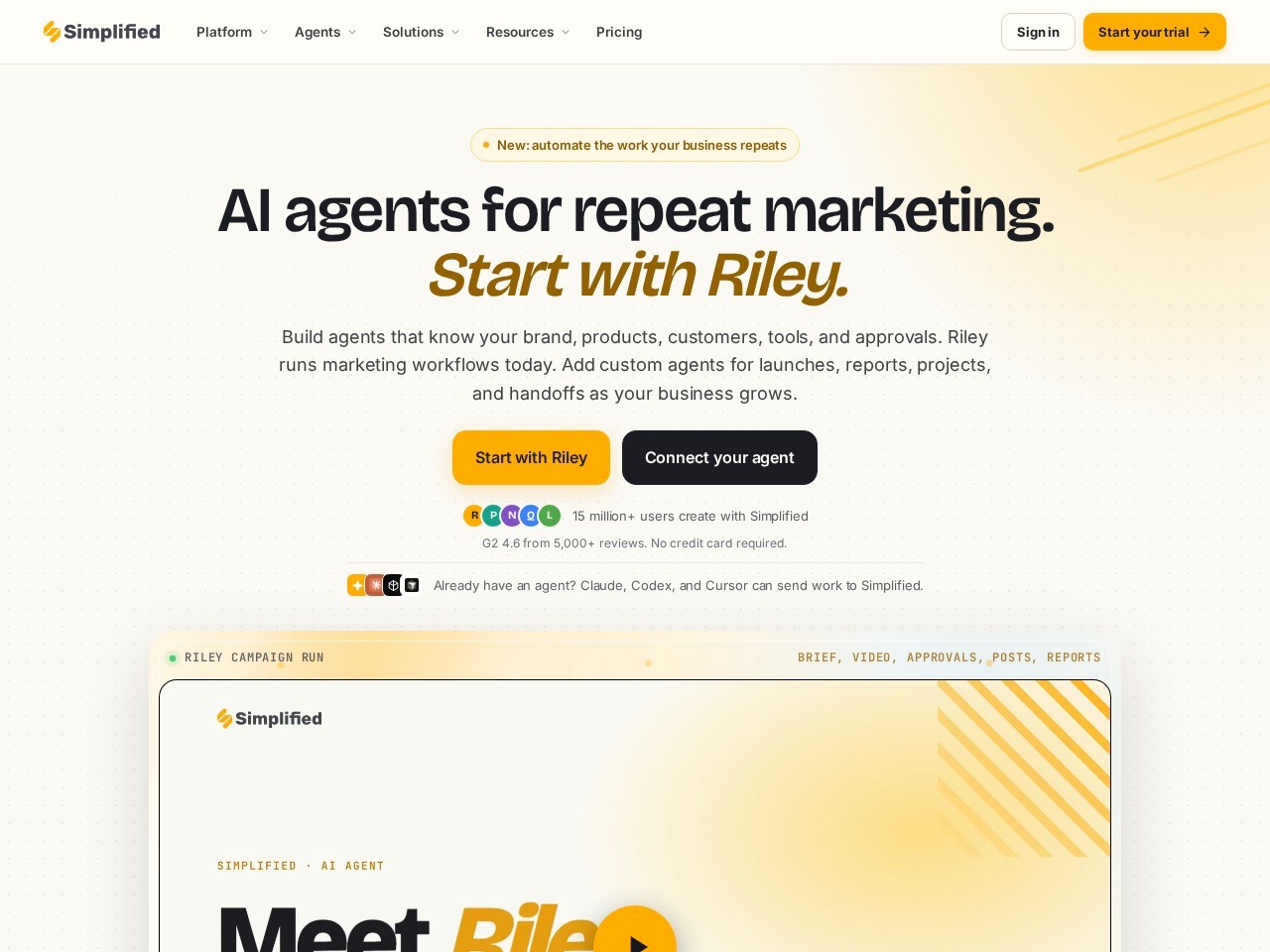
Simplified is an all-in-one AI-powered marketing platform that combines design, content creation, video production, and social media management into a single workspace. It helps businesses and creators streamline workflows, produce high-quality content, and manage digital presence efficiently without needing multiple tools.
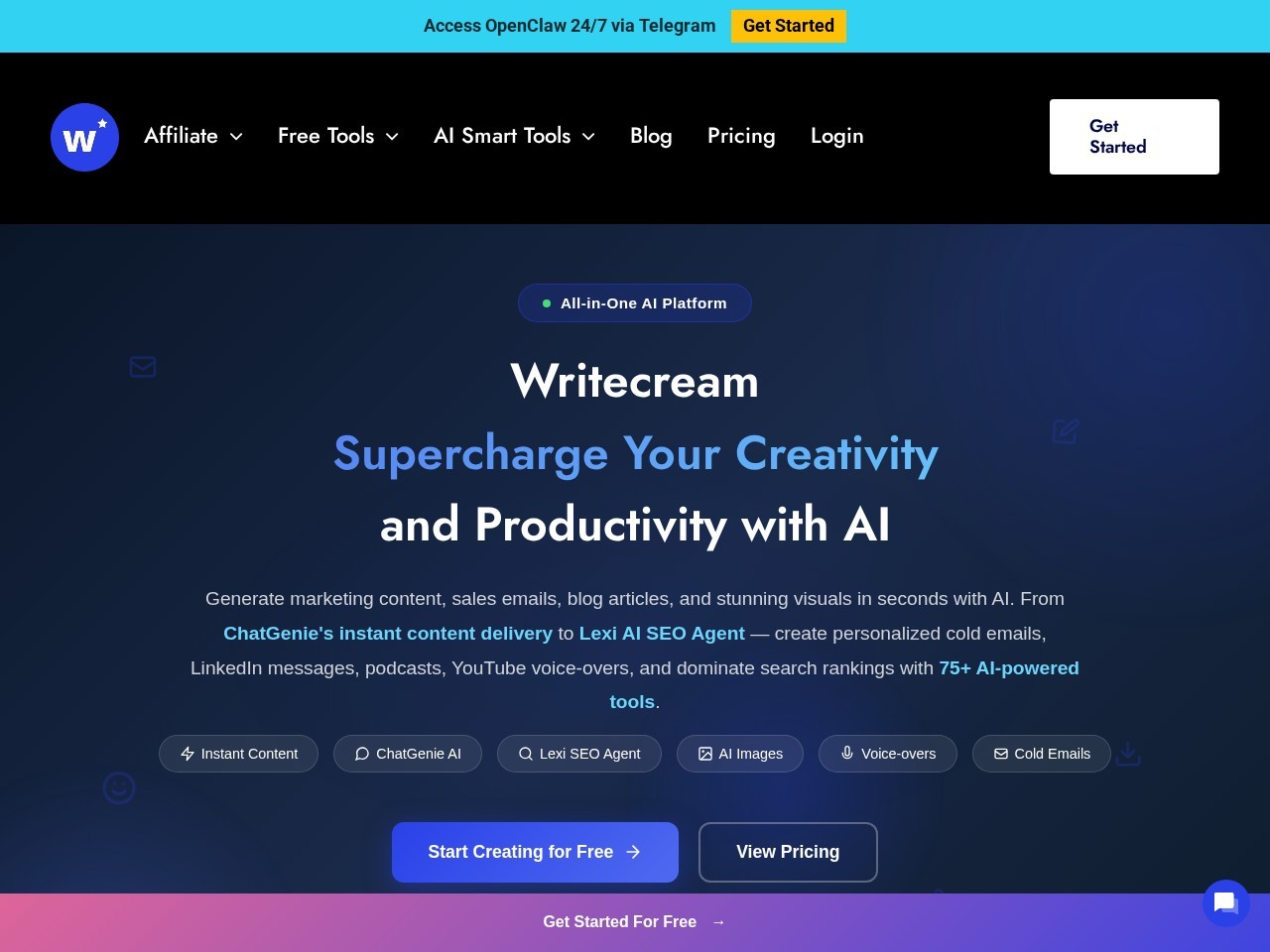
Writecream is an all-in-one AI content generation platform that helps marketers, entrepreneurs, and content creators produce written content, voiceovers, images, and videos for marketing campaigns and digital content needs. The platform offers over 75 AI-powered tools covering blog writing, social media posts, email campaigns, ad copy, SEO content, and multimedia creation with support for 75+ languages, making it accessible for global audiences.
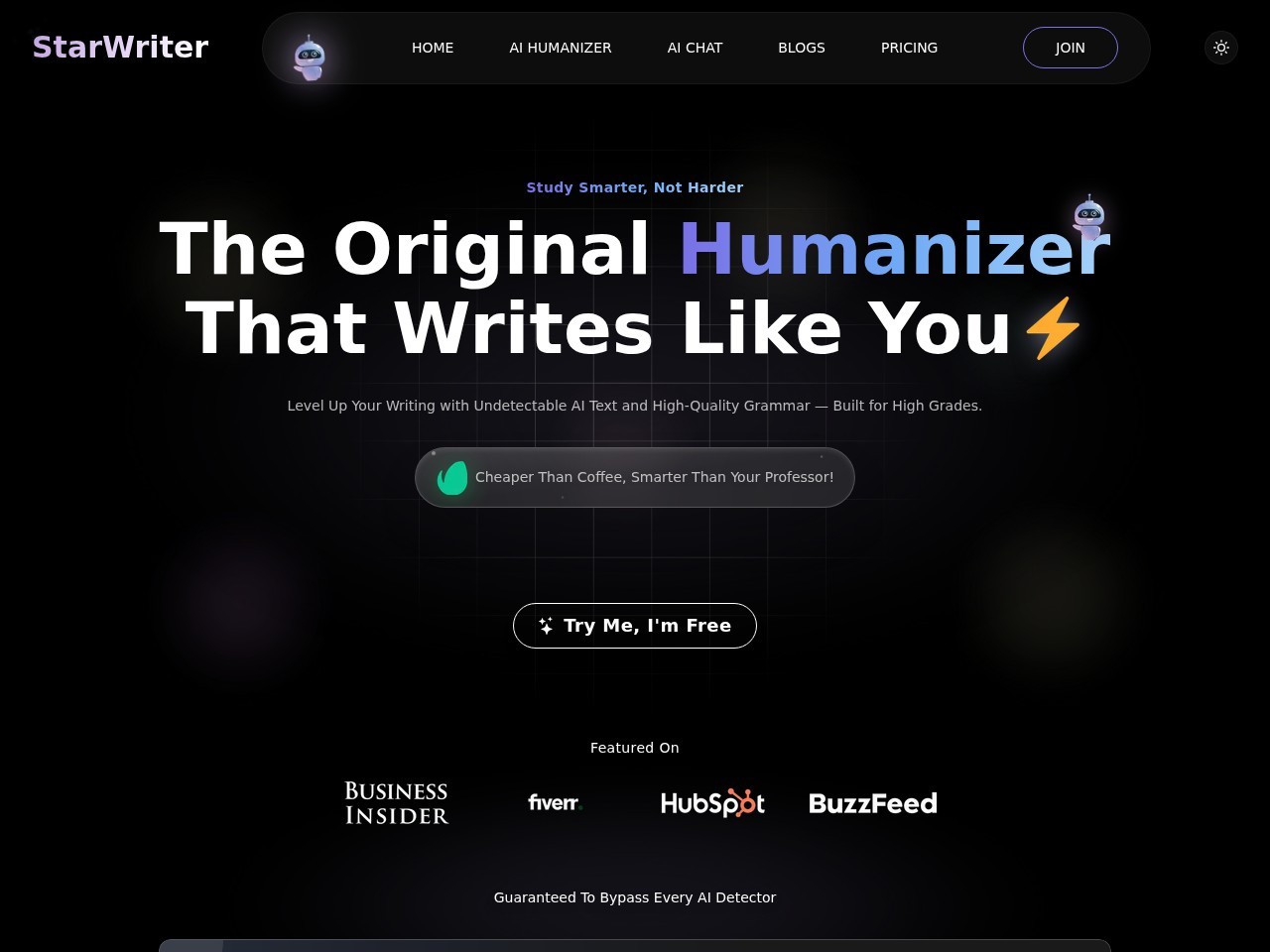
StarWriter AI is an intelligent writing platform specifically designed for fiction authors and novelists to create compelling stories, develop complex characters, and write complete novels using AI-powered creative assistance. The tool leverages advanced language models trained on narrative structures, storytelling techniques, and literary styles to help writers overcome creative blocks, maintain consistency, generate plot ideas, and accelerate manuscript completion while preserving the author's unique creative vision.
CogiX is a comprehensive all-in-one AI platform that empowers businesses and content creators to generate AI-powered content and efficiently manage operations within minutes. Leveraging DALL-E for image generation and GPT technology for text creation, CogiX consolidates text generation, visual design, code writing, chatbot interactions, speech-to-text transcription, and business management tools into a single unified workspace.
CoWriter AI accelerates technical and academic writing by predicting your next sentence before you finish typing, functioning as a real-time intelligent writing partner embedded directly in your editor. Built by the creators of AskYourPDF, this platform specializes in transforming complex research ideas into structured, citation-ready documents while maintaining consistent voice and flow across lengthy papers.

BrandScript Generator applies the StoryBrand framework through artificial intelligence to transform vague business descriptions into structured brand narratives that position customers as heroes in their own journey. This messaging clarity tool builds comprehensive brand scripts covering seven essential storytelling components—from identifying customer challenges to defining success outcomes—without requiring StoryBrand certification or workshop attendance.





Simplified is an all-in-one AI-powered marketing platform that combines design, content creation, video production, and social media management into a single workspace. It helps businesses and creators streamline workflows, produce high-quality content, and manage digital presence efficiently without needing multiple tools.

Parsio is an AI-powered document and email parsing platform designed to automate data extraction from unstructured files. It helps businesses collect information from invoices, PDFs, forms, emails, receipts, and scanned documents, then transfer the extracted data into spreadsheets, CRMs, databases, or workflow automation systems.


Everlaw is a cloud-based legal technology platform that uses AI to help law firms, corporations, and government agencies manage litigation, investigations, and document review. It focuses on making large-scale legal work faster by combining eDiscovery tools with AI-powered analysis, search, and case-building features.
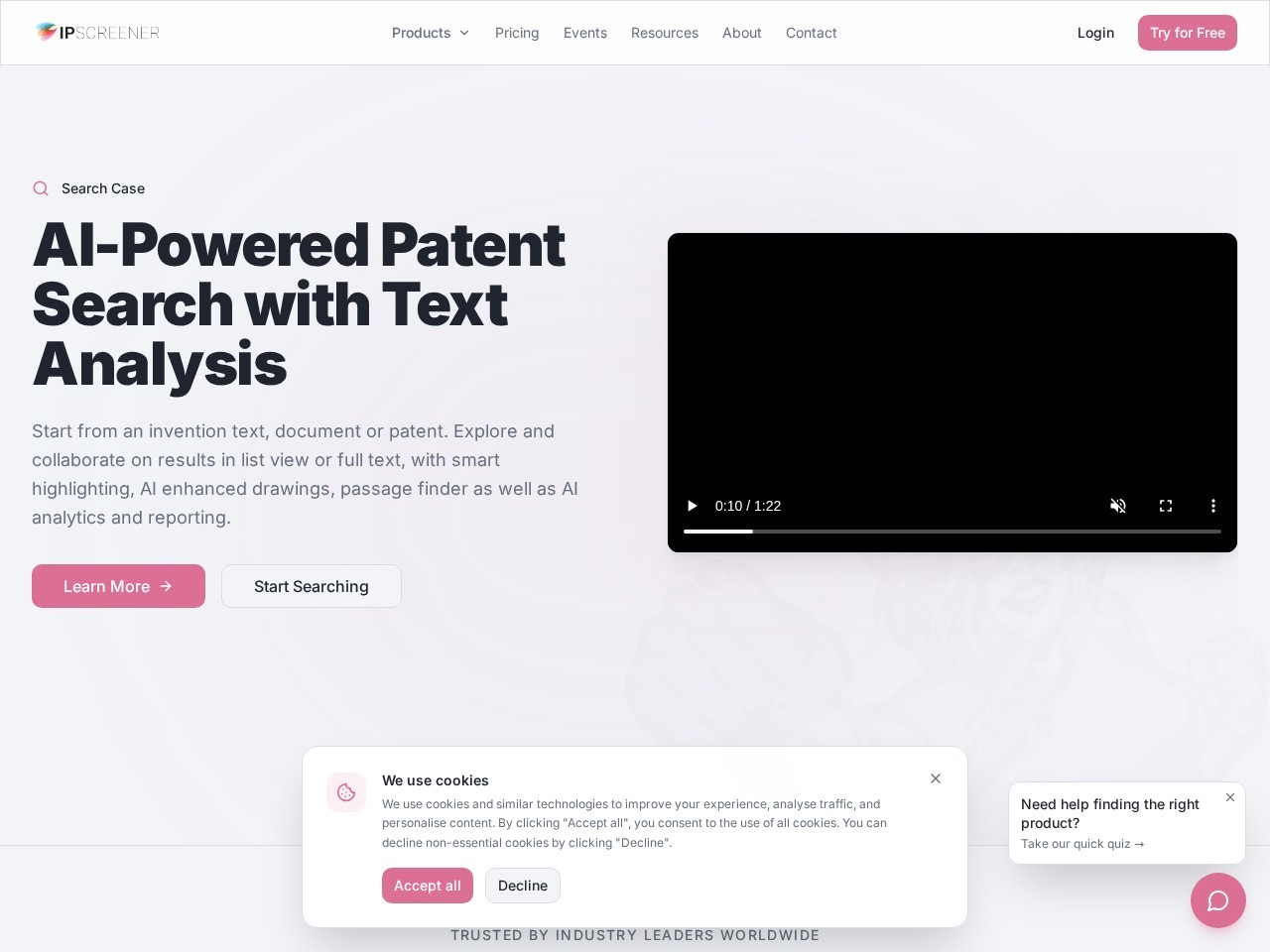
IPScreener is an AI-powered patent search and innovation intelligence platform that helps users quickly analyze global patent data using natural language. It allows innovators, R&D teams, and IP professionals to validate ideas, explore technology landscapes, and identify competitors without needing complex patent search skills.

Anara is an AI-powered research workspace designed to help users read, understand, organize, and write from large collections of documents. It acts like a “research brain” where users can upload papers, PDFs, and other materials, then ask questions and get answers backed directly by citations from their sources.




Definely is an AI-powered legal technology platform built to help lawyers draft, review, and analyze complex contracts directly inside Microsoft Word. It improves legal workflows by simplifying navigation through definitions, clauses, and cross-references while reducing review time and document risks using intelligent contract analysis tools.

Strut is an all-in-one AI-powered writing workspace that combines notes, documents, and project management into a single collaborative platform designed specifically for writers. Built to organize the entire writing process from chaos to clarity, Strut integrates GPT-4 AI assistance with flexible workspaces, customizable workflows, and real-time collaboration features.

Magic Type AI specializes in generating complete e-commerce product cards that combine compelling copy, AI-generated imagery, and marketplace-optimized layouts in one streamlined workflow. This visual commerce platform supports over 20 marketplaces, transforming how online sellers create product listings at scale.

Copymatic powers high-speed content production by fusing GPT-3 language technology with conversion-focused templates spanning blog articles, ad copy, eCommerce descriptions, and social media posts. This platform delivers 80+ specialized tools including CopyChat, an AI assistant that searches live web data and generates images from text prompts.

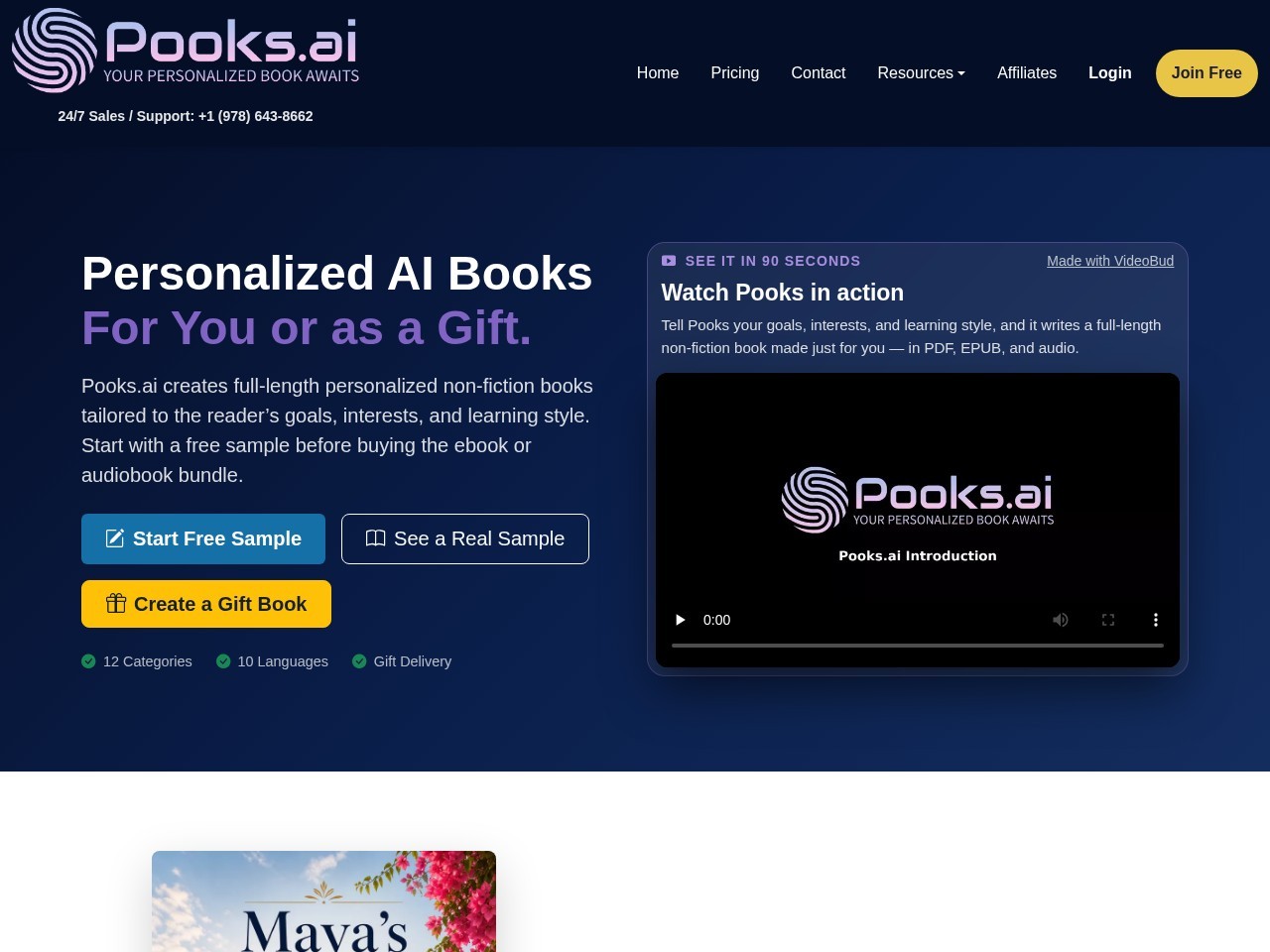

Automateed is an AI-powered eBook creation platform that helps users create professional eBooks effortlessly, whether you’re a seasoned author or writing your first book, with the AI handling the heavy lifting—perfect for busy creators. The platform offers a comprehensive suite of tools powered by GPT-4 to craft unique eBooks, complete with images and covers.

Article Fiesta automates high-volume SEO content production by generating optimized articles complete with metadata, internal linking, royalty-free images, and automatic publishing capabilities directly to your website. This content generation engine creates human-like articles while simultaneously building topic clusters, inserting contextual links, and scheduling posts—eliminating manual workflow steps that typically consume hours per article.
Copymatic powers high-speed content production by fusing GPT-3 language technology with conversion-focused templates spanning blog articles, ad copy, eCommerce descriptions, and social media posts. This platform delivers 80+ specialized tools including CopyChat, an AI assistant that searches live web data and generates images from text prompts.


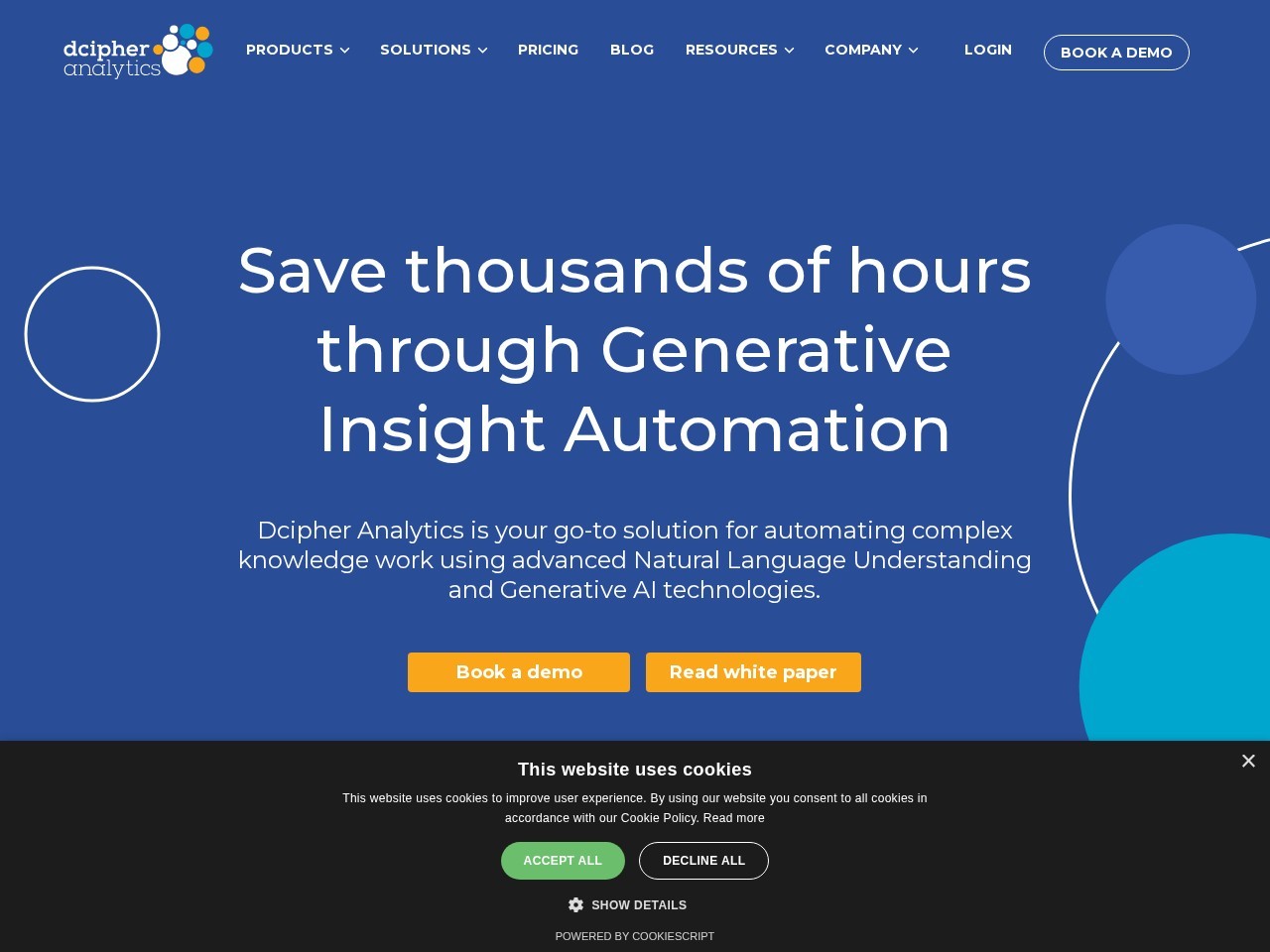
Dcipher Insight Booster is an AI-powered research and analysis platform that automates the process of collecting information, analyzing large datasets, and generating detailed reports. It is mainly designed for researchers, analysts, and businesses that need fast insights from huge amounts of text data like news, reports, and social media.

DeepL Translator is an advanced AI language tool designed to deliver highly accurate and natural-sounding translations across multiple languages. It is widely used by professionals and individuals for translating text, documents, and even full files while preserving meaning, tone, and formatting.

Immersive Translate is an AI-powered browser extension designed to make foreign language content easy to understand by translating entire web pages, documents, and media in real time. It uses advanced AI models to provide side-by-side bilingual text, helping users read and learn languages without losing original context.
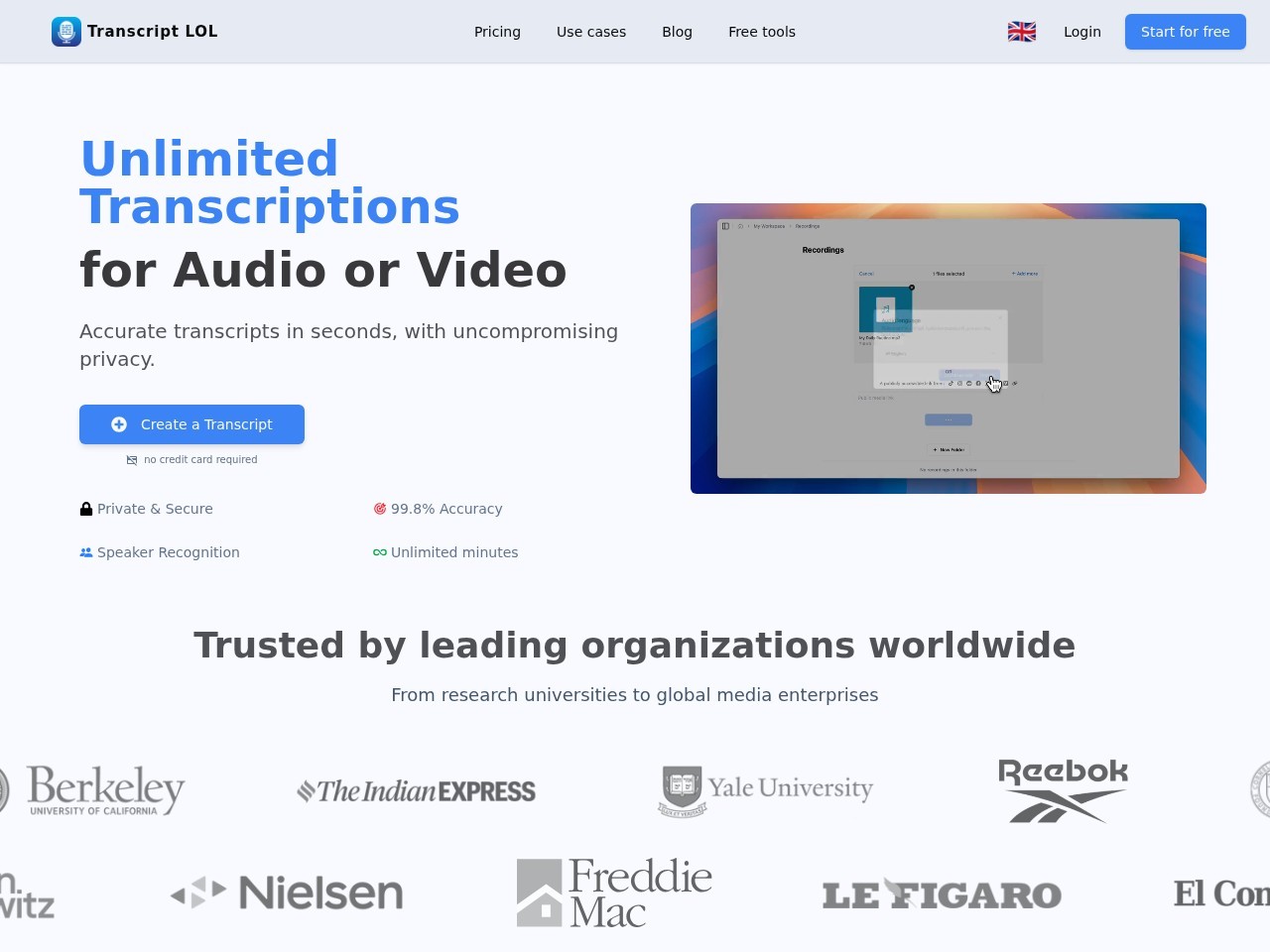
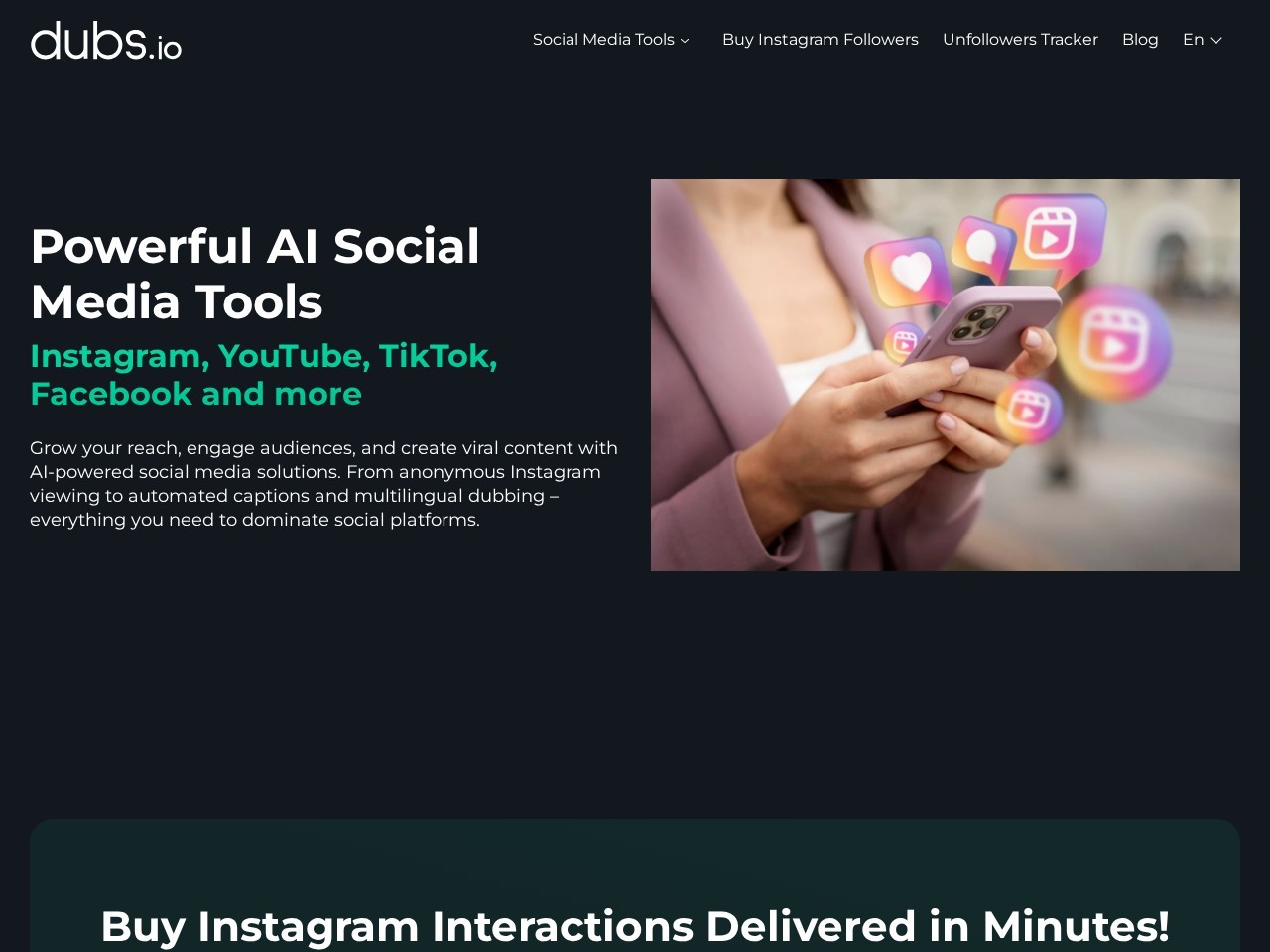
Dubs is an AI-powered video creation and editing tool that helps users generate scripts, add subtitles, and record videos with ease. It simplifies content production by combining features like teleprompter support and automatic captioning, making it ideal for creators who want to produce engaging videos quickly.
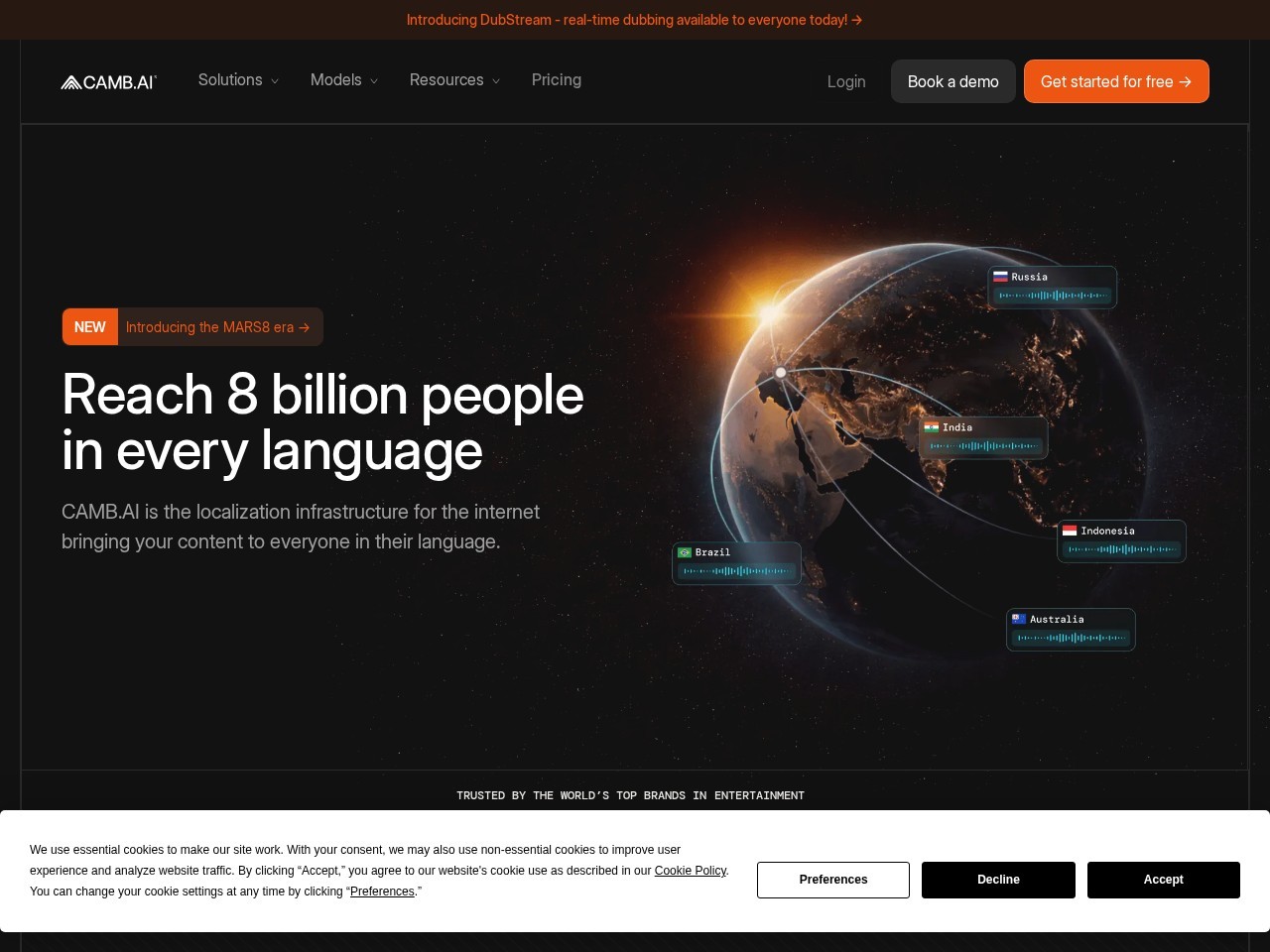
Camb.ai is an AI-powered video localization platform that translates and dubs content into multiple languages while preserving the original speaker’s voice and emotion. It enables creators, broadcasters, and businesses to reach global audiences by producing natural-sounding multilingual videos quickly and efficiently.
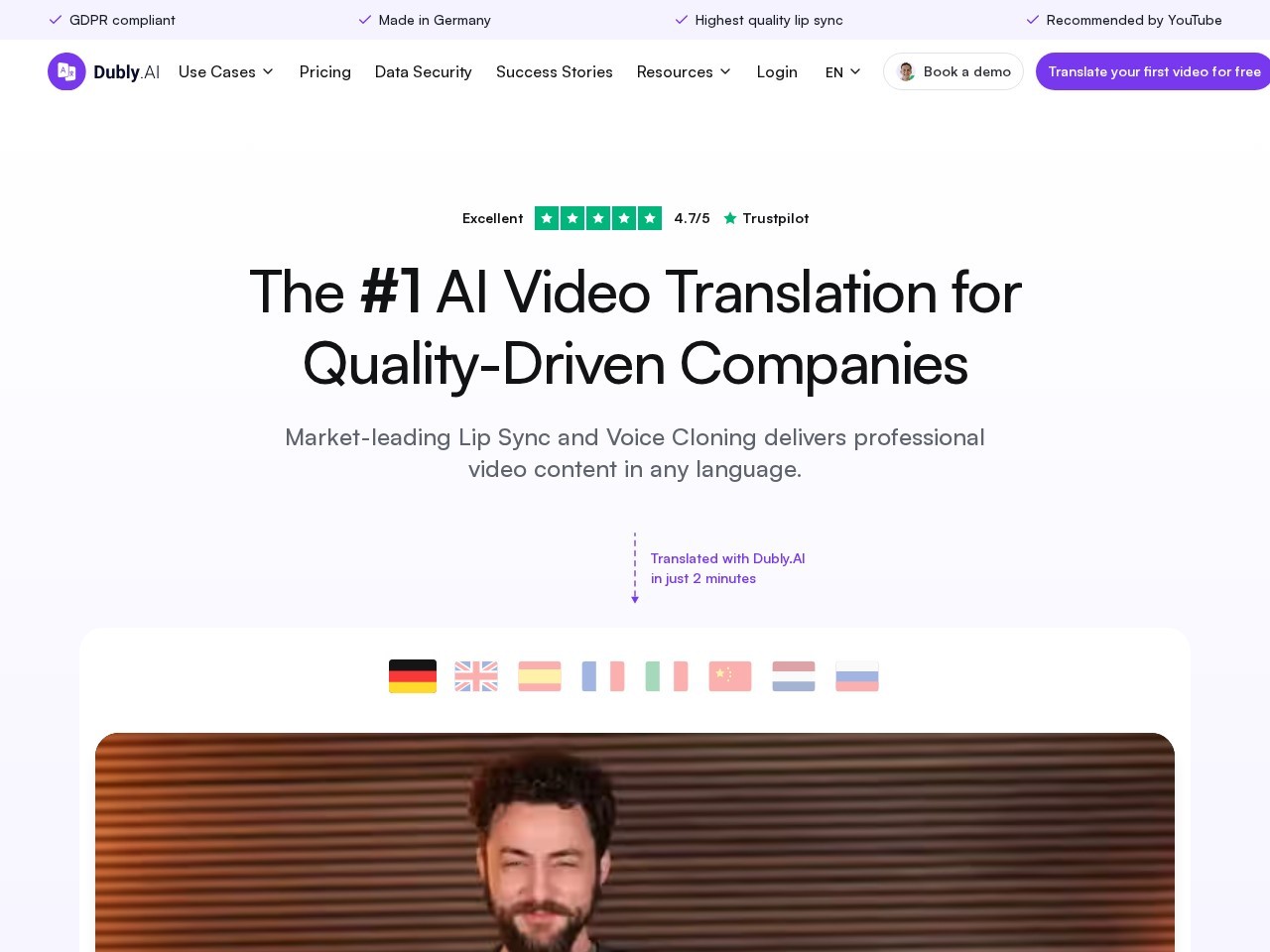
Dubly AI is an AI-powered video translation and dubbing platform that converts videos into multiple languages while keeping the original speaker’s voice and lip movements natural. It uses advanced voice cloning and lip-sync technology to create realistic, localized videos, helping creators and businesses reach global audiences quickly and cost-effectively.
Content & Writing tools are AI writing tools for drafting, editing, summarizing, translating, and improving business, marketing, and editorial content. They are usually used for blogs, emails, ads, documentation, product copy, localization, and content workflows.
Typical users include individuals, business teams, agencies, operators, and technical or non-technical teams that need help with blogs, emails, ads, documentation, product copy, localization, and content workflows.
Compare the main workflow, ease of setup, output quality, integrations, pricing, permissions, collaboration features, reporting, and whether the platform can scale beyond a one-time test.
Yes. Businesses often use Content & Writing tools to save time, improve consistency, reduce manual work, and make blogs, emails, ads, documentation, product copy, localization, and content workflows easier to manage across teams.
Yes. AI can assist with repetitive work and recommendations, but users should review important outputs, check accuracy, and apply internal policies before relying on results.