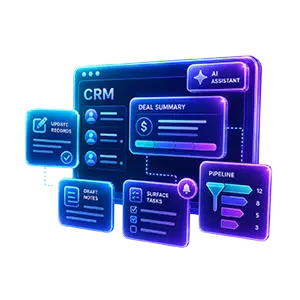
The best sales AI tools help representatives spend more time on relevant conversations. They may reduce account research or keep an important follow-up from being missed. The system should connect with the CRM and improve pipeline quality rather than simply increase activity.
AI can organize account information, summarize prior interactions and suggest questions based on available evidence. Representatives should verify the summary and avoid presenting generated assumptions about a prospect as established facts.
It can support personalization when it draws from a real reason for contacting the prospect. Messages become generic when the tool merely inserts a name and company into the same sequence used for everyone.
Teams should examine which behaviors and attributes influence the score and whether those signals match actual buying intent. A model trained on past wins may overlook new markets or reinforce an outdated sales strategy.
AI can transcribe conversations and surface relevant information, but the representative should remain focused on the buyer. Real-time prompts are only helpful when they support listening rather than turning the conversation into a scripted response.
AI can extract actions and details from emails or calls, but teams should establish rules for what can be written automatically. Incorrect contacts, stages or commitments can create more downstream work than the automation saves.