

Build and manage custom AI agents for defined business workflows
Explore
Run multi-step tasks with less day-to-day human direction
Explore
Automate web-based tasks across browser interfaces
Explore
Coordinate specialized AI agents across complex processes
Explore
Complete defined assignments through structured AI workflows
Explore
Create ad concepts and message variations for testing
Explore
Support research and early drafting for blog content
Explore
Create and maintain technical documents with AI support
Explore
Improve grammar and clarity while preserving voice
Explore
Turn rough notes into clearer business emails
Explore
Create accurate copy from structured product details
Explore
Condense long material into shorter explanations
Explore
Adapt content for new languages and regional audiences
Explore
Isolate subjects and create clean image backgrounds
Explore
Create layouts and branded visual assets
Explore
Create original visuals from prompts and reference images
Explore
Turn written material into clearer presentation slides
Explore
Produce commercial product scenes without a full studio
Explore
Track brand visibility across AI answer engines
Explore
Improve search relevance and content readability
Explore
Improve campaign writing and audience relevance
Explore
Tailor content and recommendations to individual users
Explore
Support keyword research and site analysis with AI
Explore
Plan and adapt social content for different networks
Explore
Produce presenter-led videos from a written script
Explore
Turn long videos into shorter social clips
Explore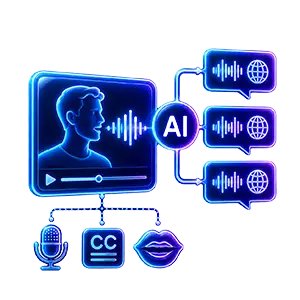
Adapt spoken video for new languages and audiences
Explore
Create video scenes and clips from written prompts
Explore
Automate routine post-production and video cleanup
ExploreThe best media AI tools remove production friction while preserving editorial control. They may make transcription or archival research, but they should not blur the distinction between source material and generated content. Rights and attribution need to remain visible throughout the workflow.
AI can assist with transcription, research organization and draft summaries, but published work still requires editorial verification. Newsrooms should define which tasks are permitted and who is accountable for checking facts, sources and context.
The best publishing AI tools help editors and writers work with source material rather than replacing it. They may make a large archive easier to search or help prepare an early draft for review. Citation quality and copyright controls are more important than the speed of generation.
Labels are appropriate when automation materially produced or altered editorial content and readers would reasonably want to know. A clear policy is more useful than inconsistent disclosure made only after a problem occurs.
It can produce a useful first summary, but it may omit qualifications or combine statements that were separate in the source. Editors should compare important summaries with the original material before publication.
Publishers should control which archives are provided to vendors and what rights the vendor receives. Agreements should address model training, reuse, retention and whether the publisher can remove its material later.
AI can reduce repetitive production work such as tagging, transcription and format conversion. Reporting, interpretation and original voice remain central because they depend on judgment, accountability and relationships with sources.