Build and manage custom AI agents for defined business workflows

Run multi-step tasks with less day-to-day human direction

Automate web-based tasks across browser interfaces

Coordinate specialized AI agents across complex processes

Complete defined assignments through structured AI workflows

Support ongoing personalized conversations and interactions

Resolve routine support questions and route complex cases

Help employees find trusted company information

Qualify leads and support buyer conversations
Answer visitor questions and guide users through a website

Create ad concepts and message variations for testing

Support research and early drafting for blog content

Create and maintain technical documents with AI support

Improve grammar and clarity while preserving voice

Turn rough notes into clearer business emails

Create accurate copy from structured product details

Condense long material into shorter explanations

Adapt content for new languages and regional audiences

Identify clauses and unusual terms in agreements
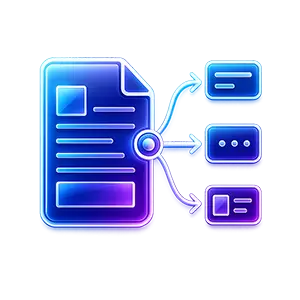
Capture structured information from business documents

Find company information across connected internal systems

Organize approved information for faster answers

Ask questions and navigate long PDF documents

Track brand visibility across AI answer engines

Improve search relevance and content readability

Improve campaign writing and audience relevance

Tailor content and recommendations to individual users

Support keyword research and site analysis with AI

Plan and adapt social content for different networks

Coordinate AI agents across complex workflows

Reduce repetitive administrative work inside organizations

Record meetings and prepare useful summaries

Complete repeated work across connected business systems

Connect applications and automate business processes

Transcribe sales calls and surface useful insights
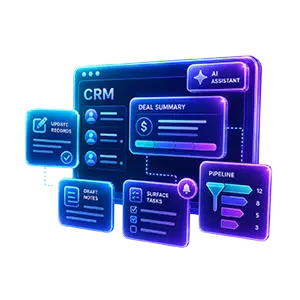
Update CRM records and summarize account activity

Create more relevant prospecting messages
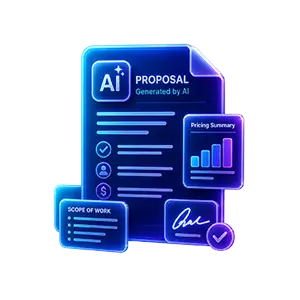
Turn approved information into tailored sales proposals

Identify accounts that fit a target market
The best AI tools for SaaS companies improve a point in the customer or product lifecycle that is already measurable. A business may need a smoother onboarding experience or a better way to understand product feedback. The platform should respect account boundaries and fit the systems used by customer-facing teams.
An AI feature should improve a core user task and use product data that makes the result more relevant. Adding a generic chat box without clear workflow value may increase complexity without improving the product.
Companies should compare reliability, cost, latency, data controls and the provider’s ability to support expected volume. They also need a plan for model changes so the product does not break when an external service is updated.
The interface should make uncertainty visible and allow users to review or correct important output. Product teams should log failure patterns and create fallback behavior instead of assuming every request will produce a usable answer.
AI can guide users through setup and answer product questions based on current documentation. It should recognize account-specific limitations and transfer the user to support when the issue cannot be resolved from approved information.
Usage alone does not show whether a feature is valuable. Teams should track task completion, correction rates, response quality, cost and whether the feature improves retention or reduces effort for the intended user.