Build and manage custom AI agents for defined business workflows

Run multi-step tasks with less day-to-day human direction

Automate web-based tasks across browser interfaces

Coordinate specialized AI agents across complex processes

Complete defined assignments through structured AI workflows

Support ongoing personalized conversations and interactions

Resolve routine support questions and route complex cases

Help employees find trusted company information

Qualify leads and support buyer conversations

Answer visitor questions and guide users through a website

Create ad concepts and message variations for testing

Support research and early drafting for blog content

Create and maintain technical documents with AI support

Improve grammar and clarity while preserving voice

Turn rough notes into clearer business emails

Create accurate copy from structured product details

Condense long material into shorter explanations

Adapt content for new languages and regional audiences

Isolate subjects and create clean image backgrounds

Develop early visual identity concepts for brands

Create layouts and branded visual assets

Create original visuals from prompts and reference images

Turn written material into clearer presentation slides

Produce commercial product scenes without a full studio

Generate campaign visuals and written ad concepts

Track brand visibility across AI answer engines

Improve search relevance and content readability

Improve campaign writing and audience relevance

Tailor content and recommendations to individual users

Support keyword research and site analysis with AI

Plan and adapt social content for different networks

Produce presenter-led videos from a written script

Turn long videos into shorter social clips
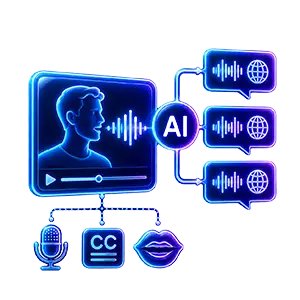
Adapt spoken video for new languages and audiences

Create video scenes and clips from written prompts

Automate routine post-production and video cleanup
The best advertising AI tools make testing and campaign management more efficient without hiding how the budget is being used. They can help teams create controlled variations or identify a change in performance. Brand safety and approval controls remain essential when the output reaches the public.
AI output improves when it is guided by original customer research, brand language and a specific point of view. Publishing lightly edited drafts at scale often produces interchangeable content that adds little value.
AI can identify patterns from prior campaign data and help prioritize creative tests, but it cannot guarantee how a new audience or market condition will respond. Marketers should treat predictions as hypotheses and validate them with controlled testing.
Disclosure depends on the context, client agreement and how materially AI contributed to the work. Agencies should at minimum maintain internal records and ensure they have the rights needed for images, copy and other generated assets.
AI can organize consented customer information and analyze broad behavior patterns without building unnecessarily intrusive profiles. Marketers should limit data collection to a legitimate purpose and avoid inferring sensitive traits that are not needed.
The platform should support the team’s real approval process, data sources and publishing systems. A tool that generates content quickly but weakens governance or requires constant rework may not produce meaningful efficiency.
The best marketing AI tools improve the quality or speed of a defined workflow. A team may need stronger research or a more efficient way to adapt content across channels. The software should support the brand’s point of view rather than replace it with generic language.