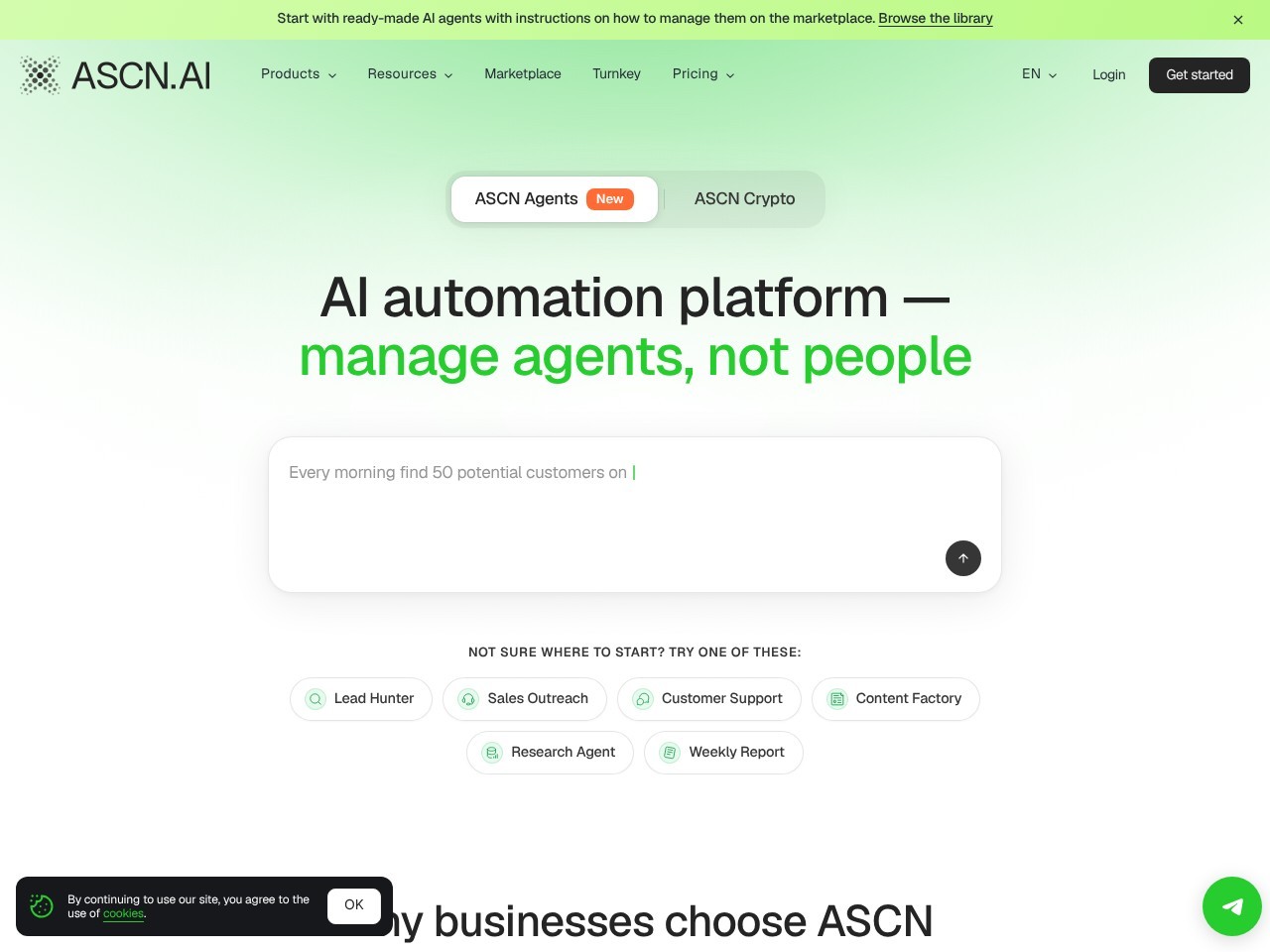
ASCN is an AI-powered automation and analytics platform designed to help users build AI agents, automate business workflows, and generate real-time insights. It is especially focused on crypto and business intelligence, combining data analysis, automation tools, and no-code AI agent creation in one system.



Google AI Studio is a browser-based environment that helps developers quickly build, test, and deploy applications powered by Google’s advanced AI models. It removes the complexity of heavy infrastructure setup by offering a streamlined workspace for prototyping and integrating AI features into real products.


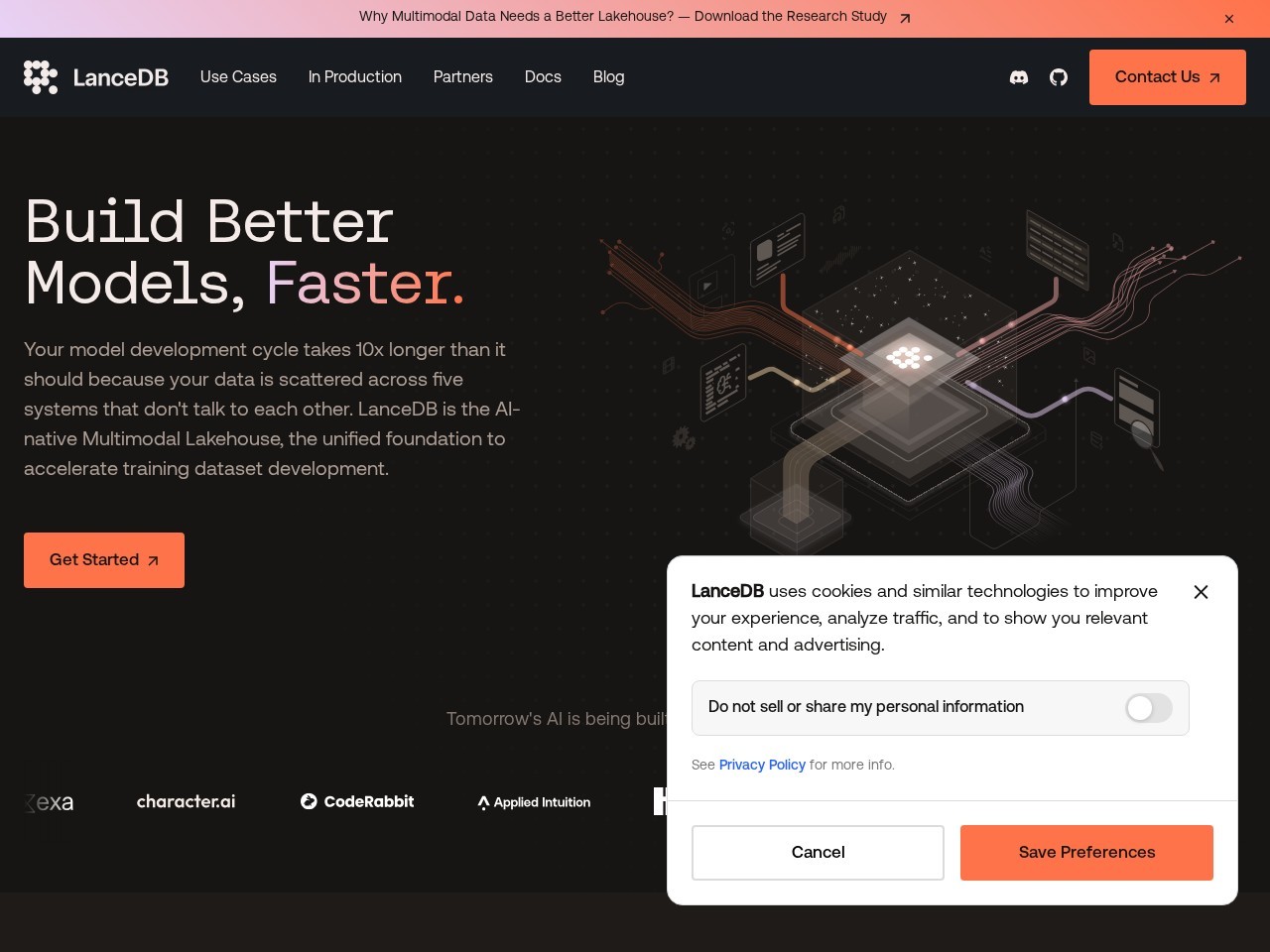
LanceDB is an AI-native vector database and multimodal data platform designed to store, search, and manage large-scale AI data like text, images, audio, video, and embeddings. It is mainly used for building AI applications such as semantic search, Retrieval-Augmented Generation (RAG), recommendation systems, and AI agents.

LangChain is a state-of-the-art AI tool designed to streamline the development and deployment of applications leveraging large language models (LLMs). It provides a robust framework for building, monitoring, and deploying LLM-powered applications efficiently, enhancing operational capabilities for startups and enterprises alike.
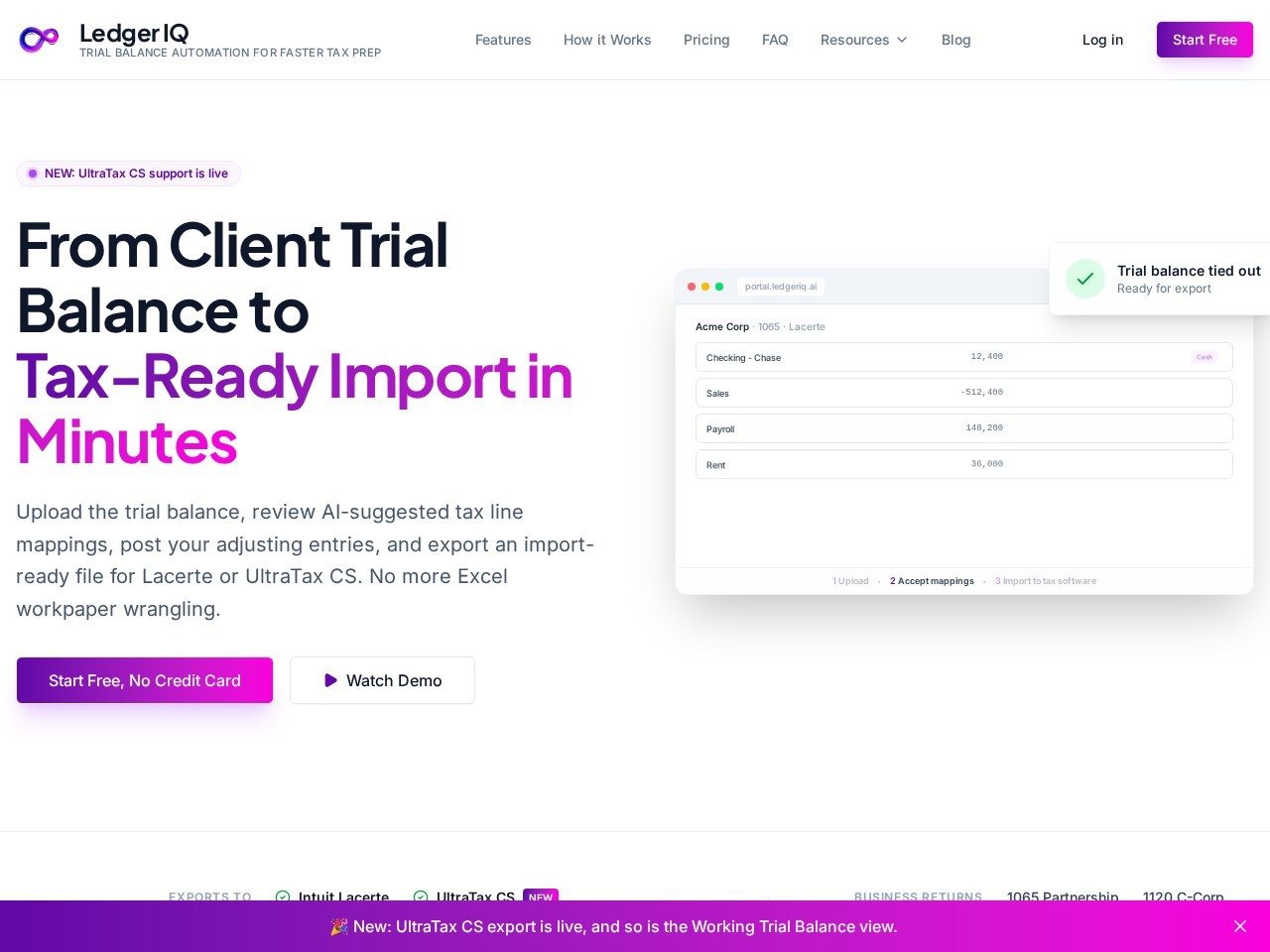
LedgerIQ is an AI-powered financial intelligence and bookkeeping platform that helps users automate accounting tasks and understand their finances in real time. It works like a virtual financial assistant that tracks transactions, categorizes expenses, and generates insights for better decision-making.


Microsoft Azure is a comprehensive cloud computing service by Microsoft for building, testing, deploying, and managing applications through Microsoft-managed data centers. It supports SaaS, PaaS, and IaaS, enabling businesses to manage challenges and meet goals efficiently with a wide range of services.