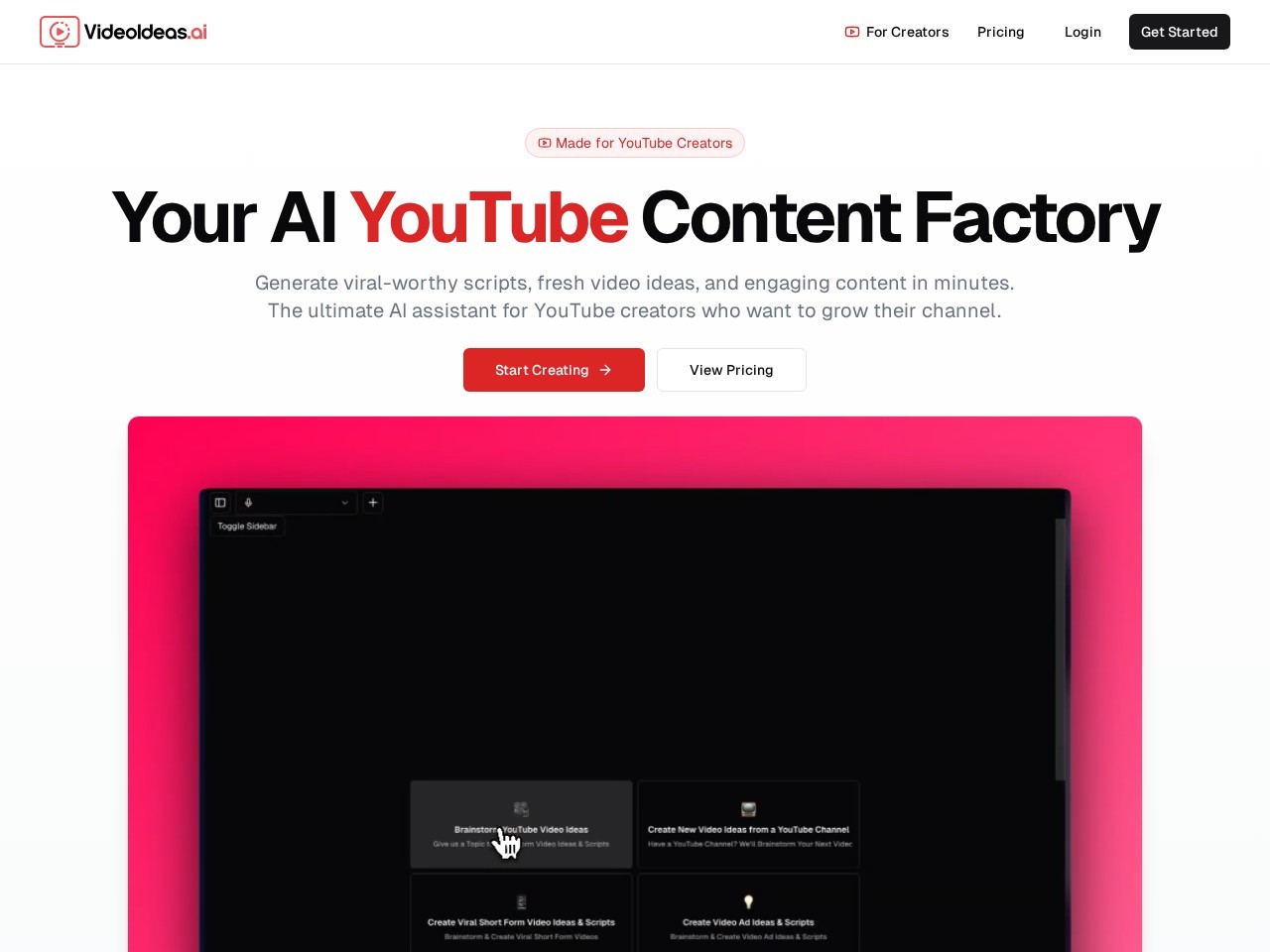
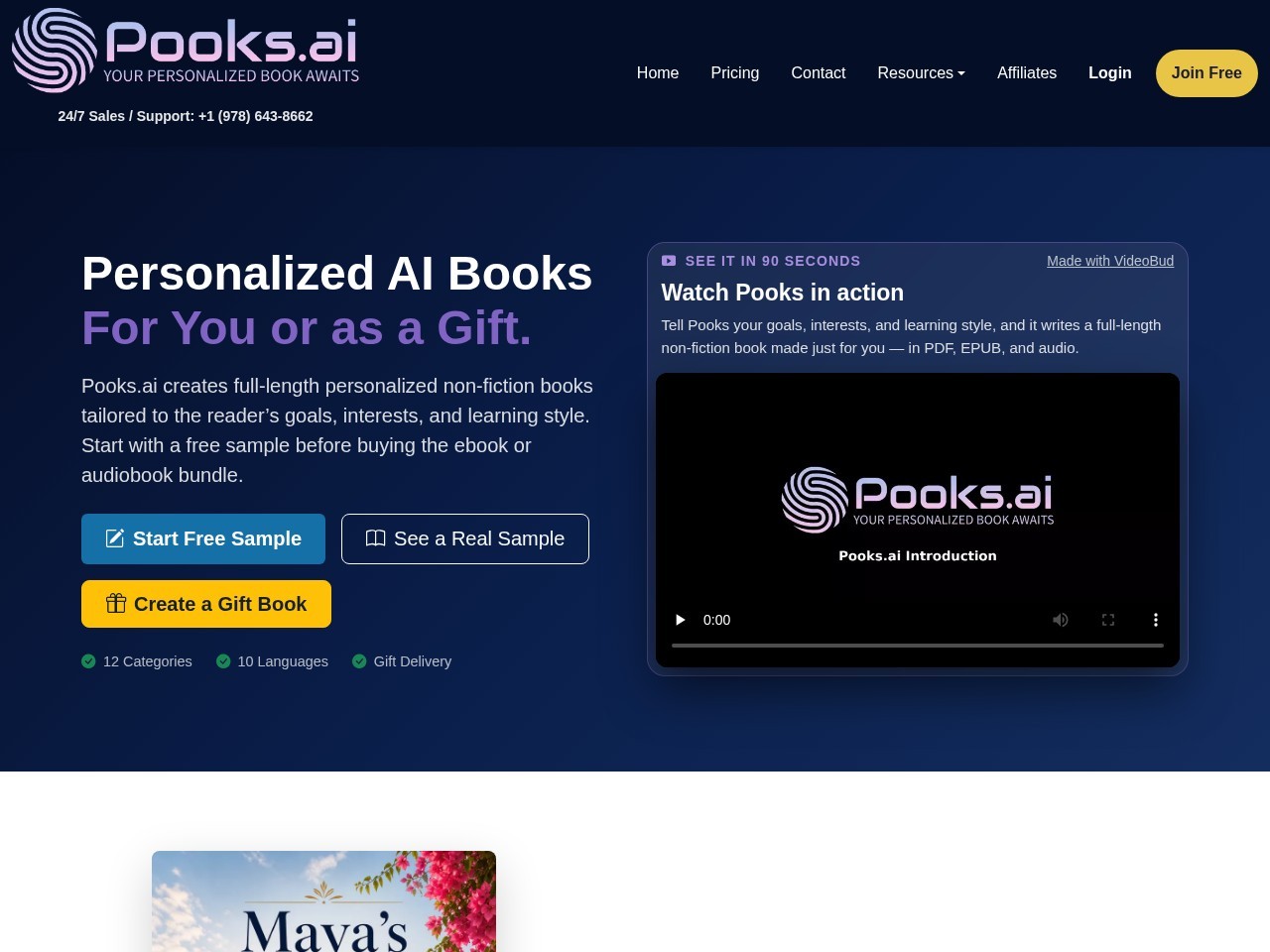

Quick Creator is an AI-driven platform designed to streamline the creation of high-quality, SEO-optimized blogs tailored for businesses, marketers, and content creators without needing extensive SEO expertise or technical skills, serving as a one-stop alternative to multiple tools like WordPress, SurferSEO, and Copy.ai. The platform’s AI mimics professional writing styles, producing engaging and informative content while integrating real-time knowledge to craft articles that resonate with target audiences.

Simplified is an all-in-one AI-powered marketing platform that combines design, content creation, video production, and social media management into a single workspace. It helps businesses and creators streamline workflows, produce high-quality content, and manage digital presence efficiently without needing multiple tools.
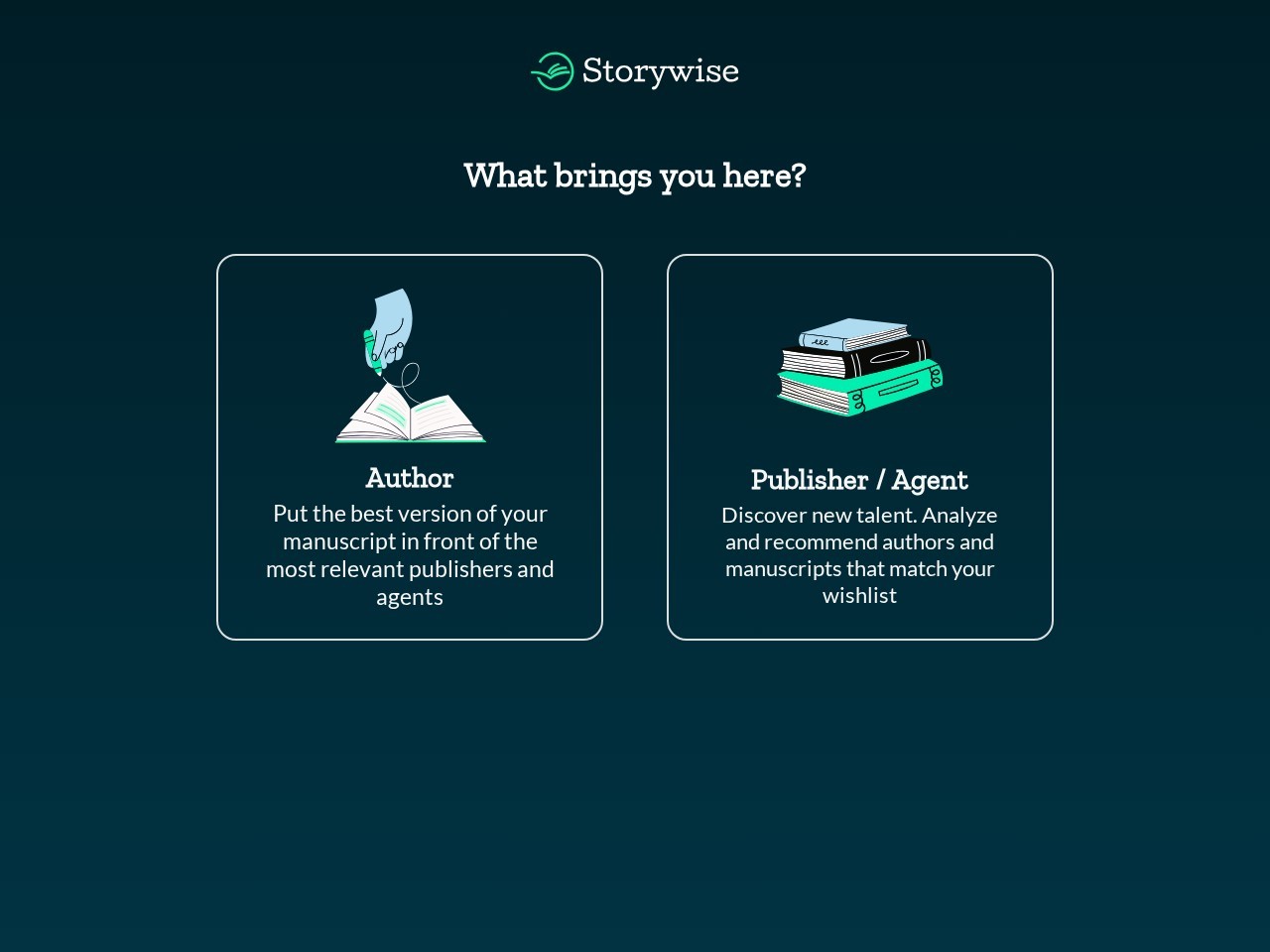
StoryWise is an AI-powered interactive storytelling platform that helps writers, game developers, and content creators build branching narrative experiences, choice-based stories, and interactive fiction with intelligent AI assistance for plot development, character interactions, and consequence mapping. The tool combines narrative design frameworks with AI content generation to create engaging stories where reader choices meaningfully impact outcomes, character relationships, and plot progression.


Textero serves academic writers by combining essay generation, research discovery, and citation management within a unified workspace built specifically for scholarly work. Drawing from over 250 million academic sources, this platform generates structured drafts with proper formatting while simultaneously checking for plagiarism and AI detection markers.