Parsio is an AI-powered document and email parsing platform designed to automate data extraction from unstructured files. It helps businesses collect information from invoices, PDFs, forms, emails, receipts, and scanned documents, then transfer the extracted data into spreadsheets, CRMs, databases, or workflow automation systems.


Everlaw is a cloud-based legal technology platform that uses AI to help law firms, corporations, and government agencies manage litigation, investigations, and document review. It focuses on making large-scale legal work faster by combining eDiscovery tools with AI-powered analysis, search, and case-building features.

IPScreener is an AI-powered patent search and innovation intelligence platform that helps users quickly analyze global patent data using natural language. It allows innovators, R&D teams, and IP professionals to validate ideas, explore technology landscapes, and identify competitors without needing complex patent search skills.

Anara is an AI-powered research workspace designed to help users read, understand, organize, and write from large collections of documents. It acts like a “research brain” where users can upload papers, PDFs, and other materials, then ask questions and get answers backed directly by citations from their sources.



AI Prompt Library is a large-scale prompt database designed to help businesses and professionals maximize the capabilities of AI platforms like ChatGPT and Midjourney. It offers thousands of ready-made prompts across areas such as marketing, SEO, productivity, and content creation, enabling users to generate faster and more effective AI-driven results.

Climate Policy Radar is an AI-powered climate policy intelligence platform that organizes, searches, and analyzes global climate laws, policies, and related documents. It uses natural language processing and large-scale databases to make complex climate governance data easier to explore and understand.



Archive Intel is an AI-powered compliance and data archiving platform that helps companies automatically capture, store, and monitor business communications across channels like email, text, chat, and social media. It is mainly used in regulated industries (like finance and advisory firms) to meet legal compliance rules while reducing manual work.
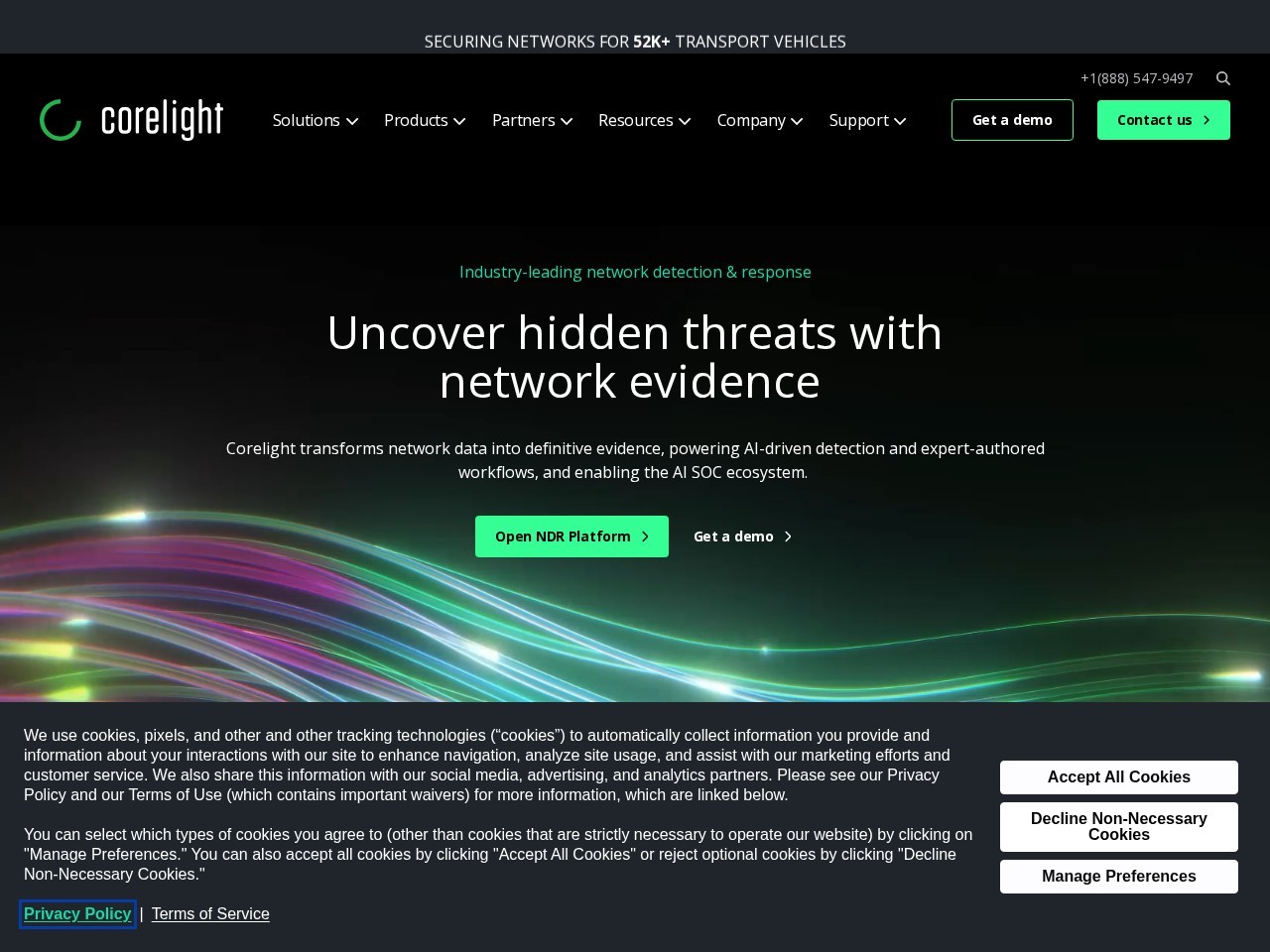
Corelight is a cybersecurity AI platform that helps companies detect hackers, threats, and suspicious activity inside their network by analyzing real-time network traffic. It turns raw network data into clear “security evidence” so security teams can quickly investigate attacks and respond faster.
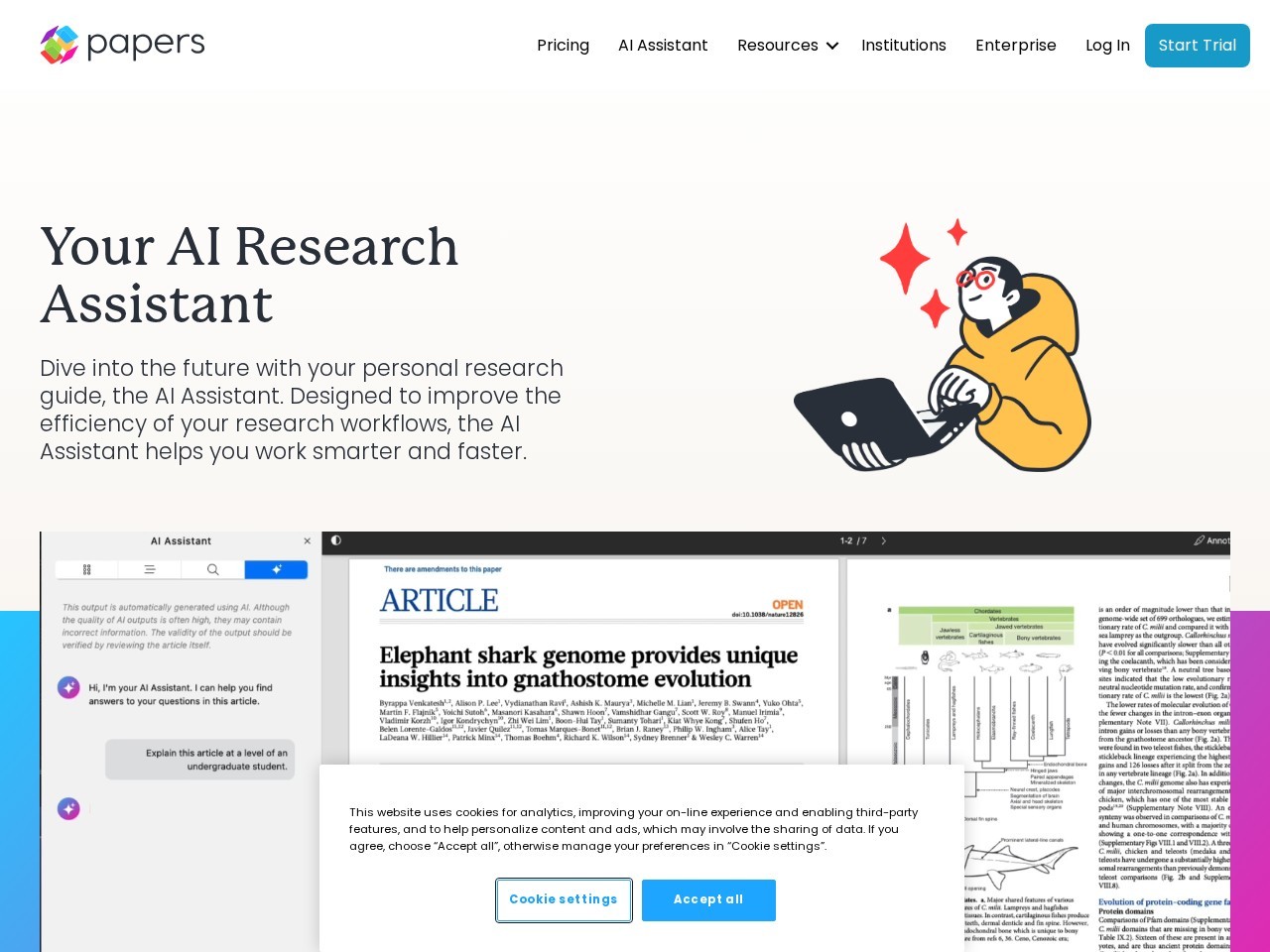
Papers Pro is an AI-powered research and reference management platform designed to help users find, organize, and understand academic papers faster. It combines a smart library system with AI assistance so researchers can read, summarize, and connect scientific knowledge more efficiently.
Responsiv is an AI-powered legal and compliance assistant that helps companies quickly understand laws, regulations, and policy requirements using simple natural language questions. It is mainly built for in-house legal teams and businesses to reduce manual legal research and speed up compliance work.
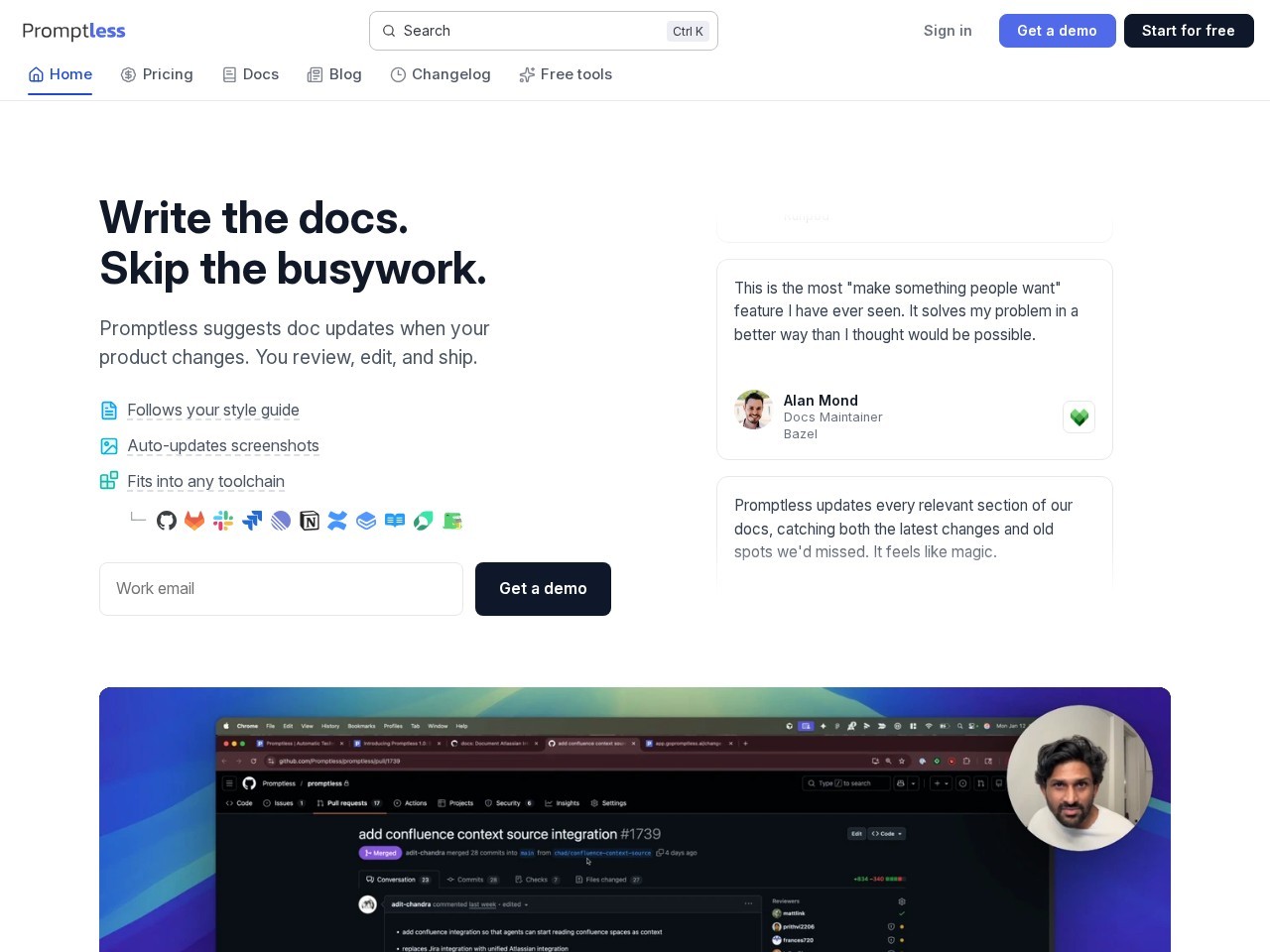
Promptless is an AI tool designed to remove the need for writing prompts by letting users create content through simple guided actions instead of text instructions. It focuses on automatically generating outputs like documents, designs, or other digital content using pre-built workflows and AI automation.

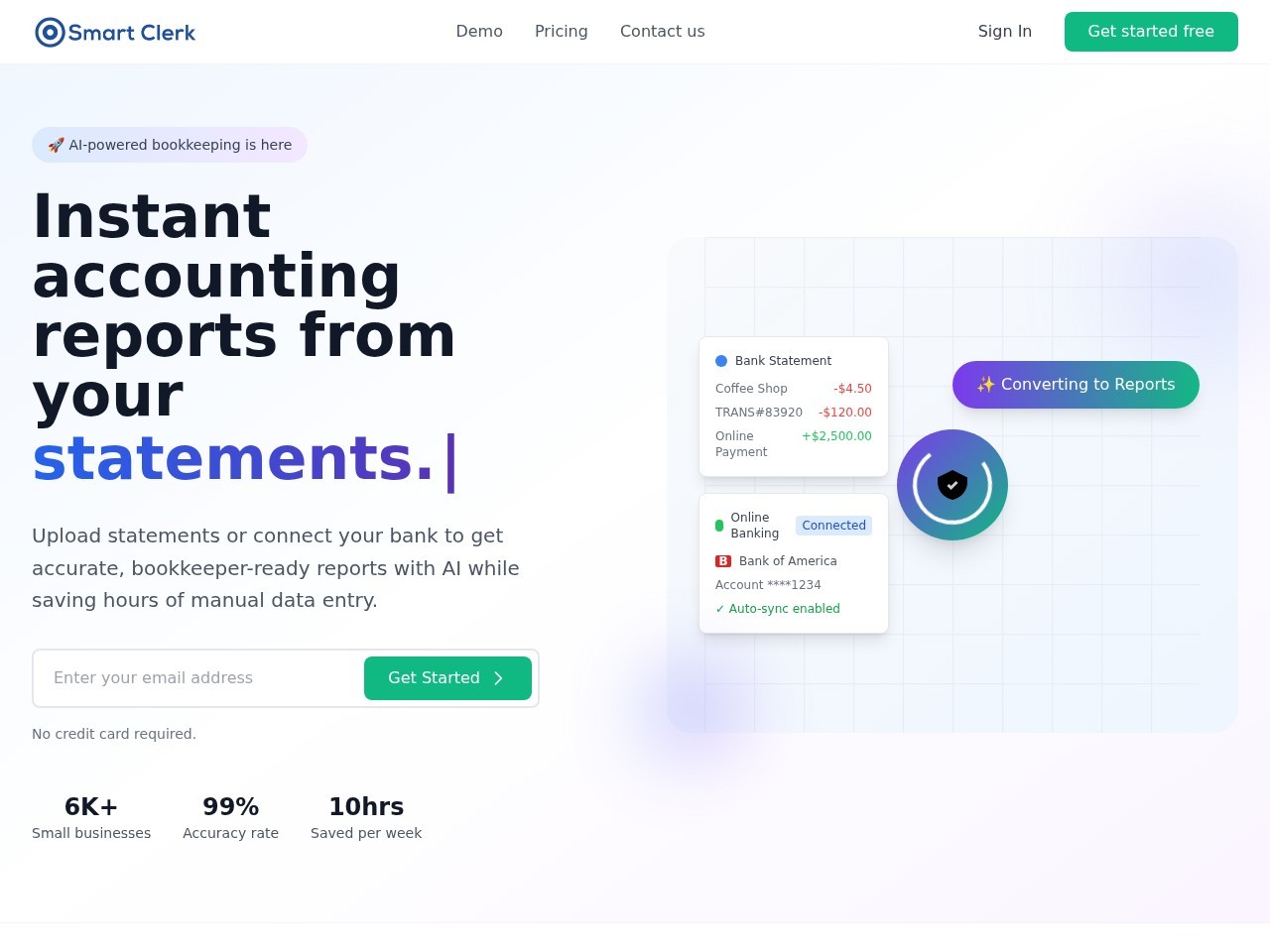
Smart Clerk is an AI-powered accounting automation tool that converts financial documents like bank statements, invoices, and receipts into structured, ready-to-use reports. It eliminates manual data entry by automatically extracting, organizing, and categorizing financial data with high accuracy.

Documentation AI tools are AI tools that help create or maintain technical, product, or internal documentation within Content & Writing. They help users handle developer docs, help articles, knowledge bases, SOPs, and product guides with less manual effort.
They can support developer docs, help articles, knowledge bases, SOPs, and product guides. The exact value depends on the tool’s features, data sources, integrations, and how well it fits the workflow.
These tools are useful for people or teams responsible for developer docs, help articles, knowledge bases, SOPs, and product guides, especially when the work is repetitive, time-consuming, content-heavy, data-heavy, or hard to scale manually.
Look at the core task it handles, output quality, ease of use, setup requirements, integrations, privacy controls, pricing, collaboration options, and whether it supports the volume or complexity of your work.
Many are, but team fit depends on shared workspaces, permissions, approval workflows, reporting, integrations, admin controls, and whether the tool keeps outputs consistent across users.
The best AI documentation tools should work with the sources a team already uses and make updates easier to review. Businesses should also consider whether the platform supports their documentation format and provides enough control to prevent outdated or unsupported information from being published.
Top AI documentation tools may connect with code repositories or approved company sources so documentation can reflect current information. Accuracy still depends on review. Teams should be able to trace generated content back to its source and confirm important changes before they go live.